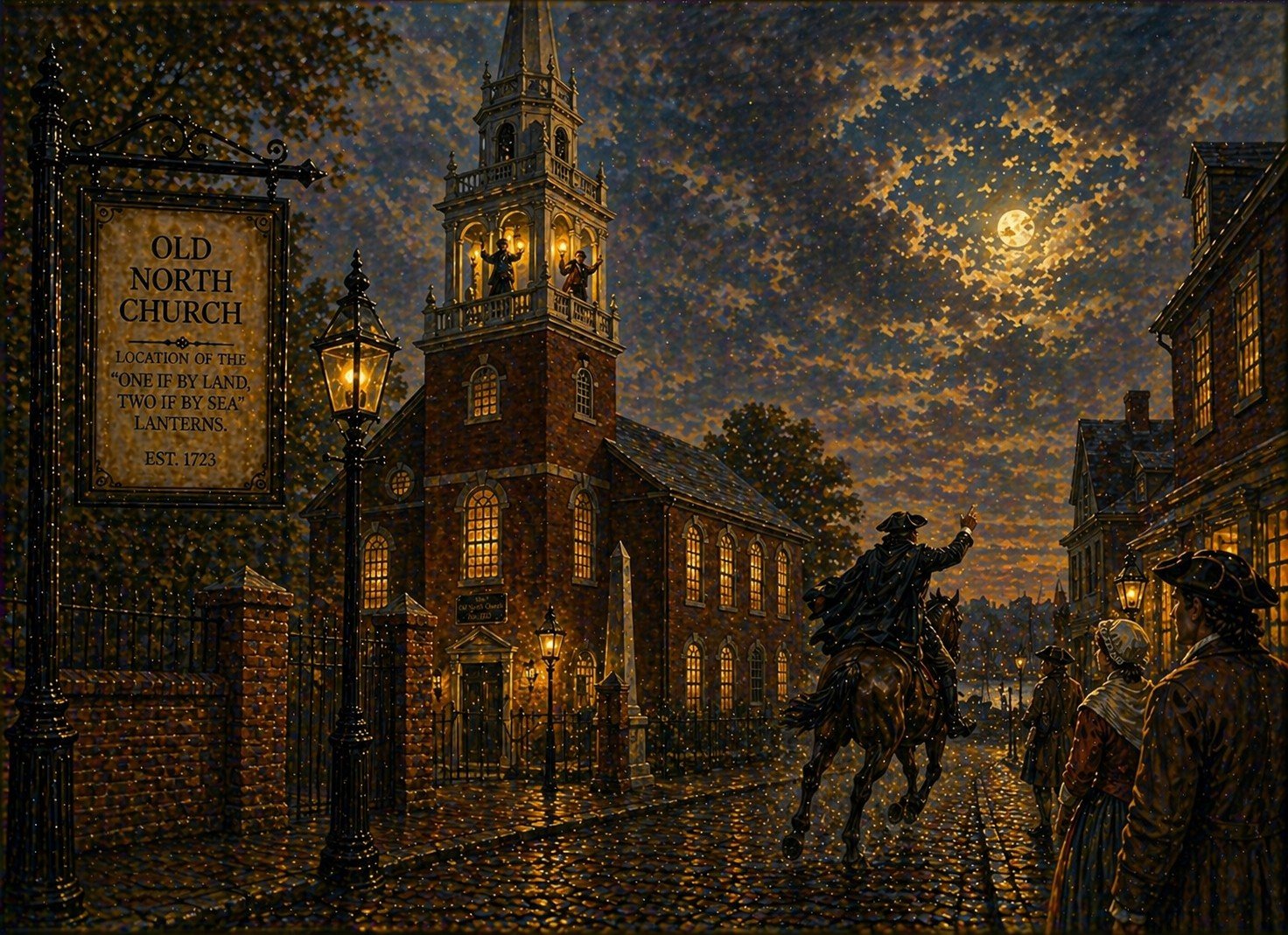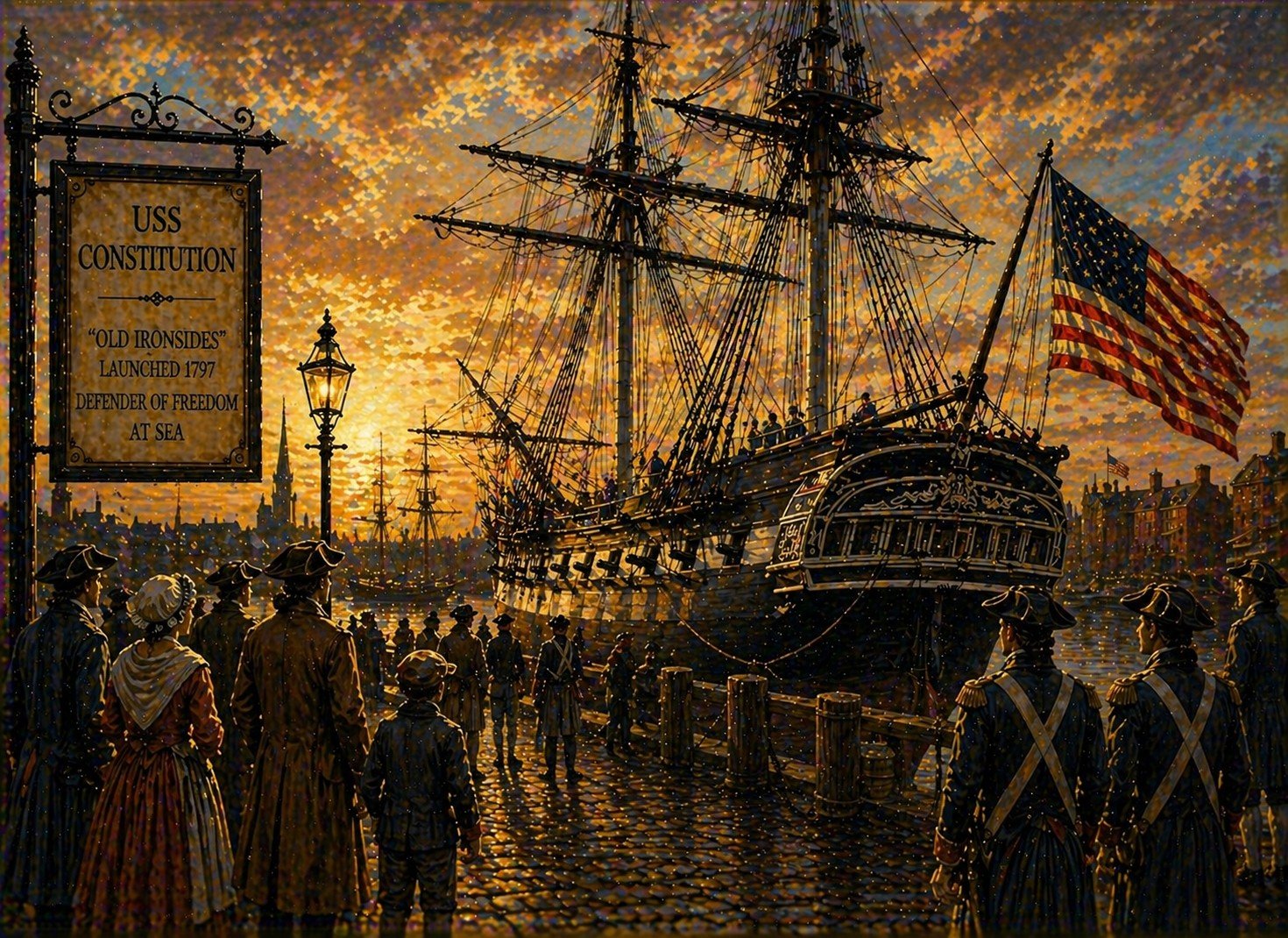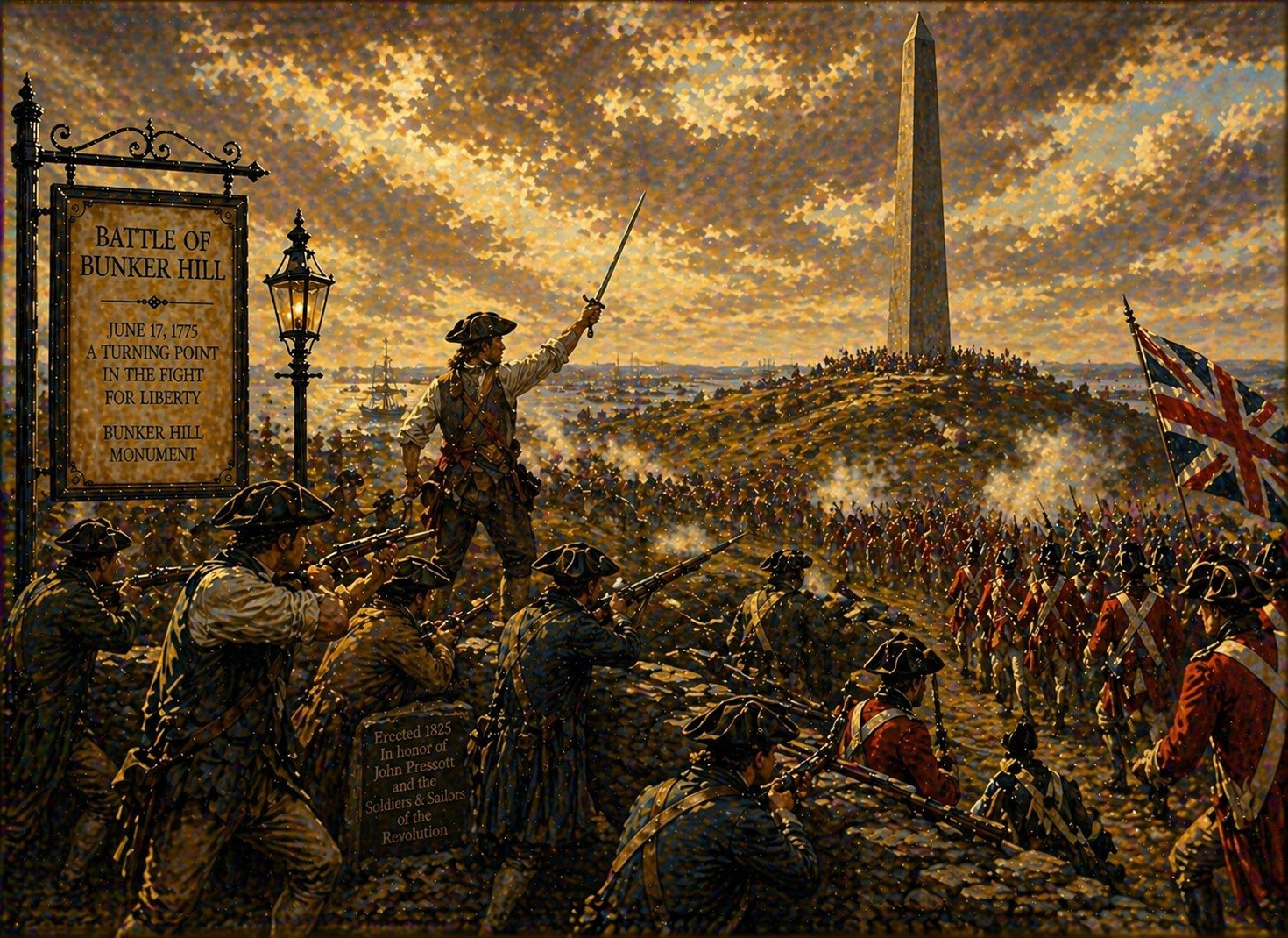
Copp's Hill Burying Ground is one of the most historically rich and atmospheric stops along the Freedom Trail. Located in Boston’s North End, it is the city’s second-oldest cemetery, established in 1659, and offers a unique perspective on both colonial life and the events of the American Revolution.
Perched on a hill overlooking Boston Harbor, Copp’s Hill was originally known as “Windmill Hill,” reflecting its early use as a site for windmills that took advantage of the coastal breeze. Its elevated position later made it an ideal location for a burying ground, providing both practical and symbolic advantages. From the hill, visitors can still see sweeping views of the harbor and the surrounding area, a vantage point that played a role in its historical significance.
The cemetery contains the graves of a wide range of individuals from Boston’s early history, including merchants, artisans, and prominent community leaders. Among those buried here is Increase Mather, a key figure in the religious and intellectual life of colonial New England. His presence, along with that of his son Cotton Mather (whose remains are also associated with the site), reflects the importance of the burying ground as a resting place for influential members of the community.
The headstones at Copp’s Hill Burying Ground provide valuable insight into colonial attitudes toward death and remembrance. Many of the older stones feature traditional imagery such as skulls, winged faces, and hourglasses, symbolizing mortality and the passage of time. These designs reflect the Puritan worldview, emphasizing the inevitability of death and the importance of spiritual preparation. As the cemetery developed over time, later monuments became more elaborate, illustrating changes in artistic style and social values.
Copp’s Hill also has a direct connection to the American Revolution, particularly during the British occupation of Boston from 1775 to 1776. Because of its elevated position, the hill was used by British forces as a strategic point from which to observe and control the surrounding area. Artillery was reportedly positioned here, and the site may have been used to fire upon American positions across the harbor, including those in Charlestown during the Battle of Bunker Hill. This military use of a burial ground underscores the intensity of the conflict and the way in which everyday spaces were transformed.
As part of the Freedom Trail, Copp’s Hill Burying Ground represents a quieter but deeply meaningful aspect of the revolutionary story. While other sites along the trail focus on dramatic events, political debate, or military action, this location invites reflection on the people who lived through those times. Walking among the graves, visitors are reminded that the revolution was experienced by ordinary individuals whose lives were shaped by the events unfolding around them.
The setting of the burying ground enhances this sense of reflection. The combination of historic gravestones, open space, and views of the harbor creates an atmosphere that is both contemplative and historically evocative. The contrast between the stillness of the cemetery and the movement of the modern city beyond its boundaries highlights the passage of time and the continuity of Boston’s history.
The location of Copp’s Hill within the North End also adds to its significance. This neighborhood, one of the oldest in Boston, retains much of its colonial character, with narrow streets and closely built structures. The burying ground stands as a preserved space within this dense urban environment, offering a glimpse into the past amid the activity of the present.
Today, Copp’s Hill Burying Ground is carefully maintained as a historic site. Preservation efforts have focused on protecting the headstones, maintaining the landscape, and ensuring that the site remains accessible to visitors. Interpretive signage and guided tours help to provide context, connecting the physical space to the broader narrative of the Freedom Trail.
The Copp’s Hill Burying Ground is a place where history is both visible and deeply felt. It connects visitors to the lives of colonial Bostonians, the realities of the revolutionary era, and the enduring legacy of the city. As part of the Freedom Trail, it offers a different perspective on the story of American independence, one that emphasizes memory, continuity, and the human experience behind the historical narrative.