Paul Revere House is one of the most personal and evocative stops along the Freedom Trail, offering visitors a direct connection to one of the most recognizable figures of the American Revolution. Located in Boston’s historic North End, it is the oldest surviving structure in downtown Boston and the home where Paul Revere lived during the crucial years leading up to the revolution.
Built around 1680, the house predates Revere’s ownership by nearly a century. Its simple wooden construction reflects the practical design of early colonial homes, with steeply pitched roofs, small windows, and timber framing. When Revere purchased the house in 1770, Boston was already a city marked by growing tension between colonists and British authorities. Living in this environment placed Revere at the center of events that would soon reshape the nation.
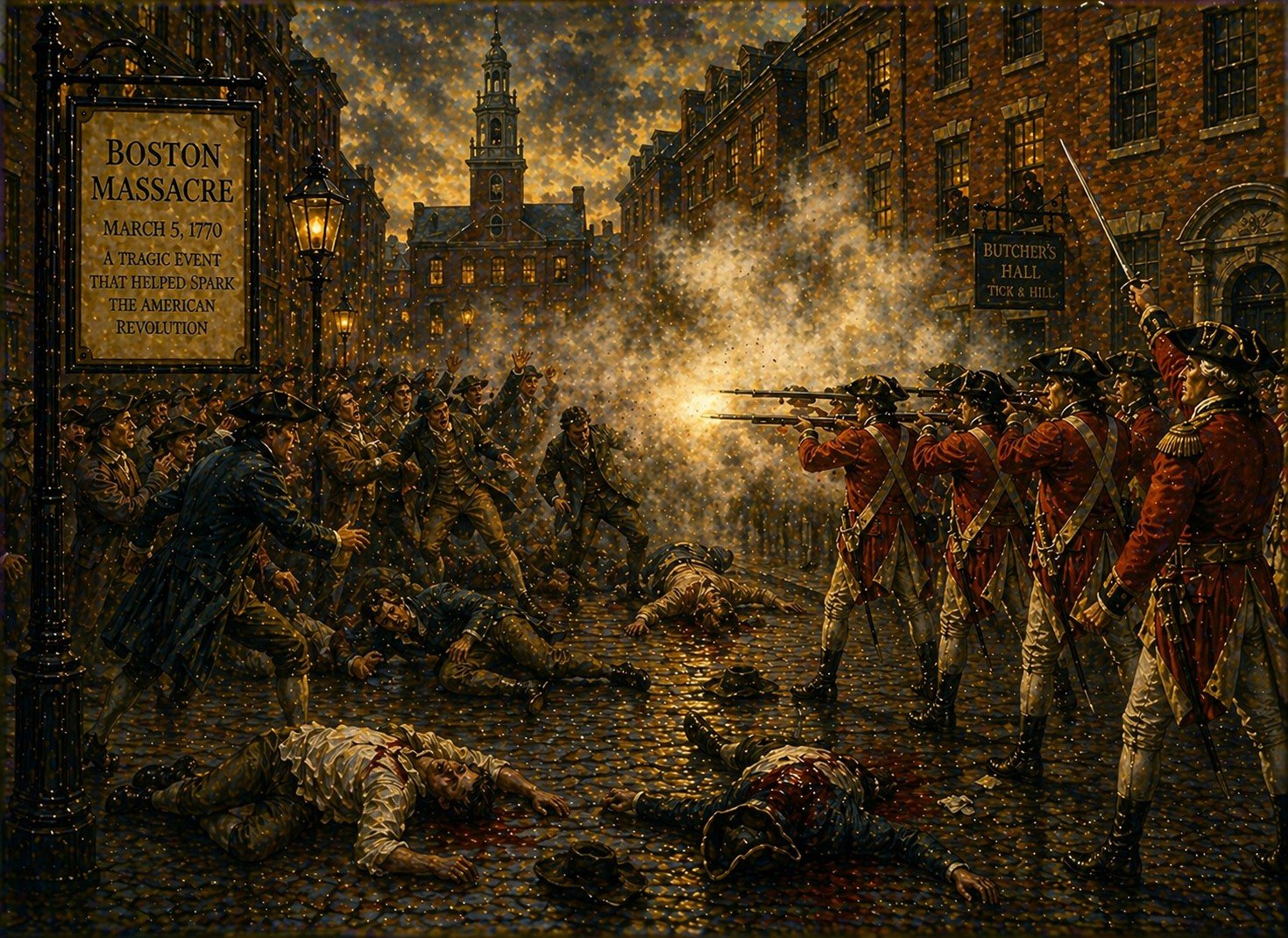
Revere resided in the house with his large family, and it served as both a domestic space and a base for his professional and political activities. As a skilled silversmith and engraver, he maintained a workshop where he produced both functional items and political imagery. His engravings, including depictions of key events such as the Boston Massacre, played a role in shaping public opinion and spreading revolutionary sentiment. The house, therefore, was not just a place of residence but also a site of intellectual and political engagement.
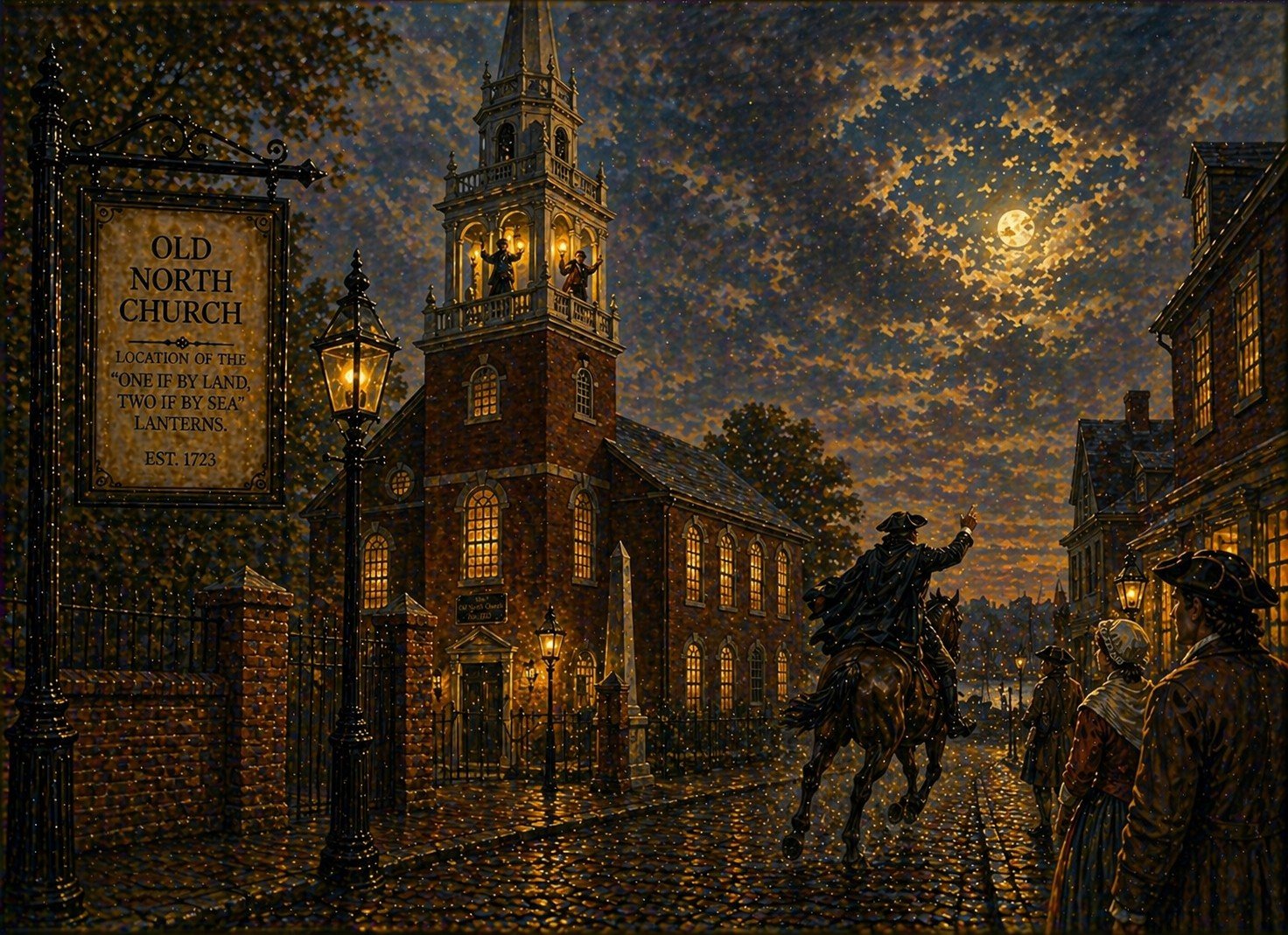
The significance of Paul Revere’s House is closely tied to Revere’s role in the revolutionary movement. While he is most famously associated with his Midnight Ride in April 1775, warning colonial militias of advancing British forces, his contributions went far beyond that single event. He was deeply involved in networks such as the Sons of Liberty and the Committee of Correspondence, helping to organize resistance and facilitate communication among colonial leaders. The house stands as a reminder of the everyday environment from which these activities emerged.
Inside, the house has been carefully restored to reflect its 18th-century appearance. Visitors can walk through rooms furnished with period-appropriate items, gaining insight into the daily life of a colonial family. The modest size of the rooms, the simplicity of the furnishings, and the layout of the space highlight the contrast between Revere’s ordinary domestic life and his extraordinary role in history. This juxtaposition makes the site particularly compelling, as it humanizes a figure often remembered in heroic terms.
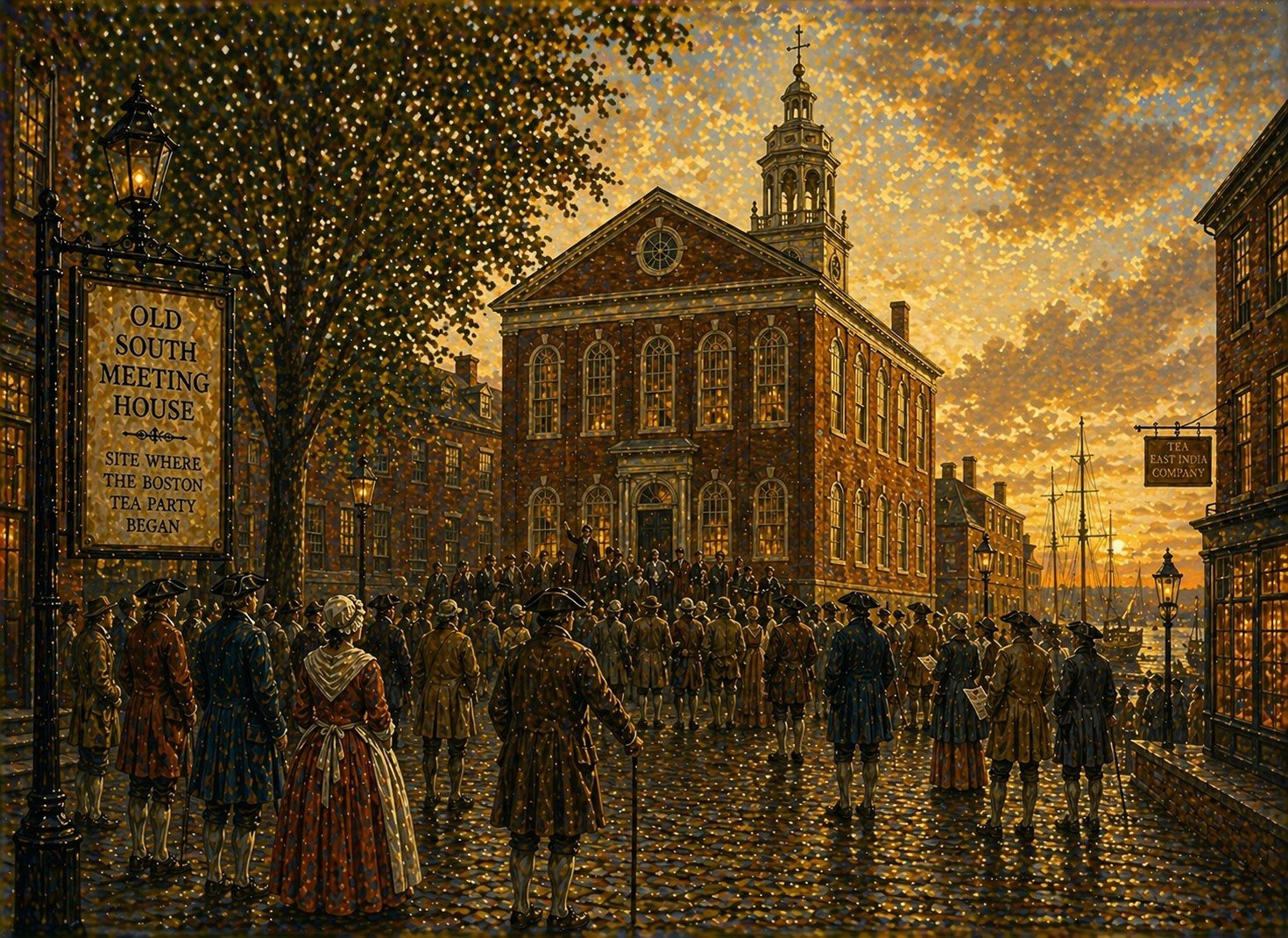
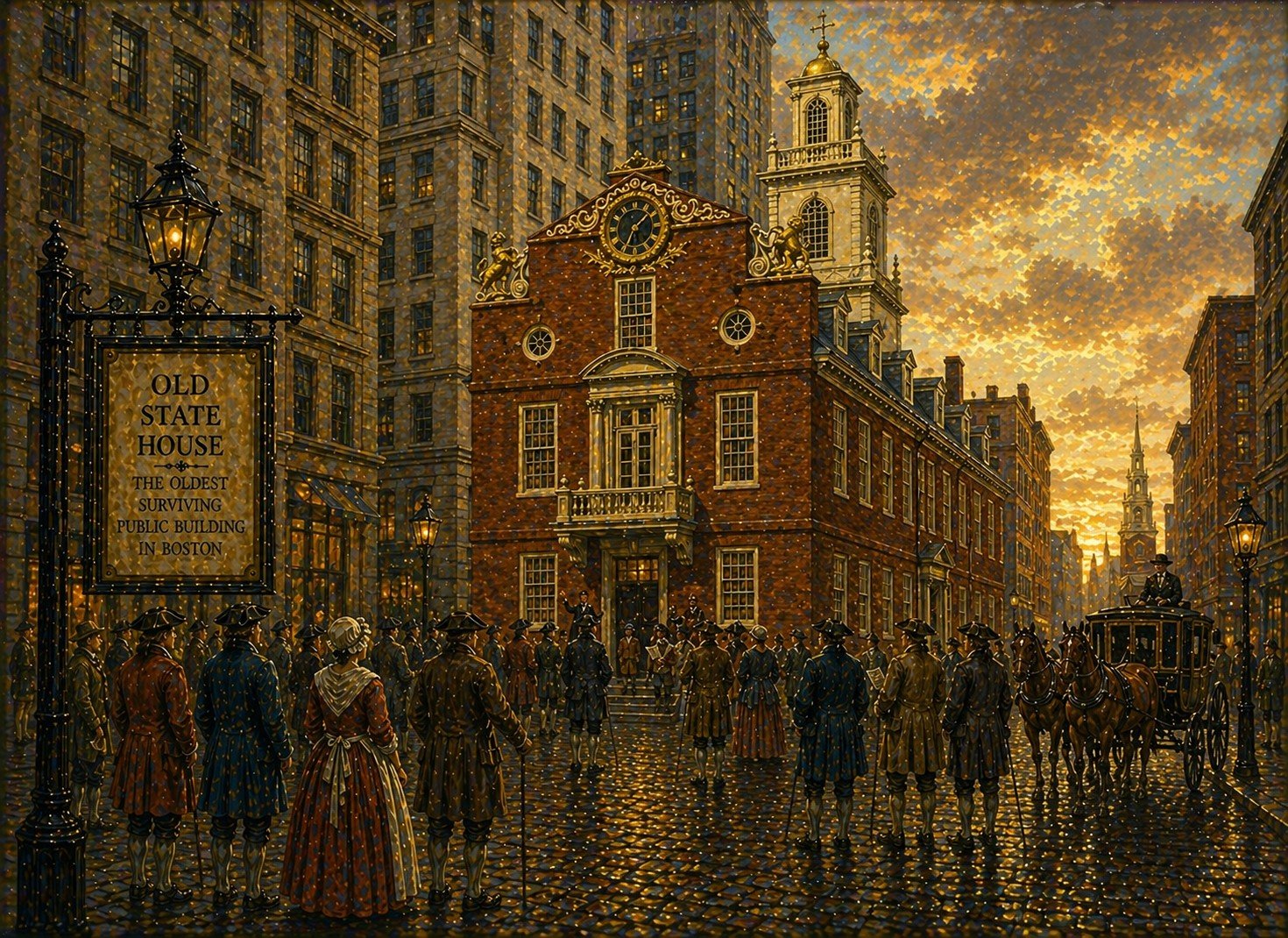
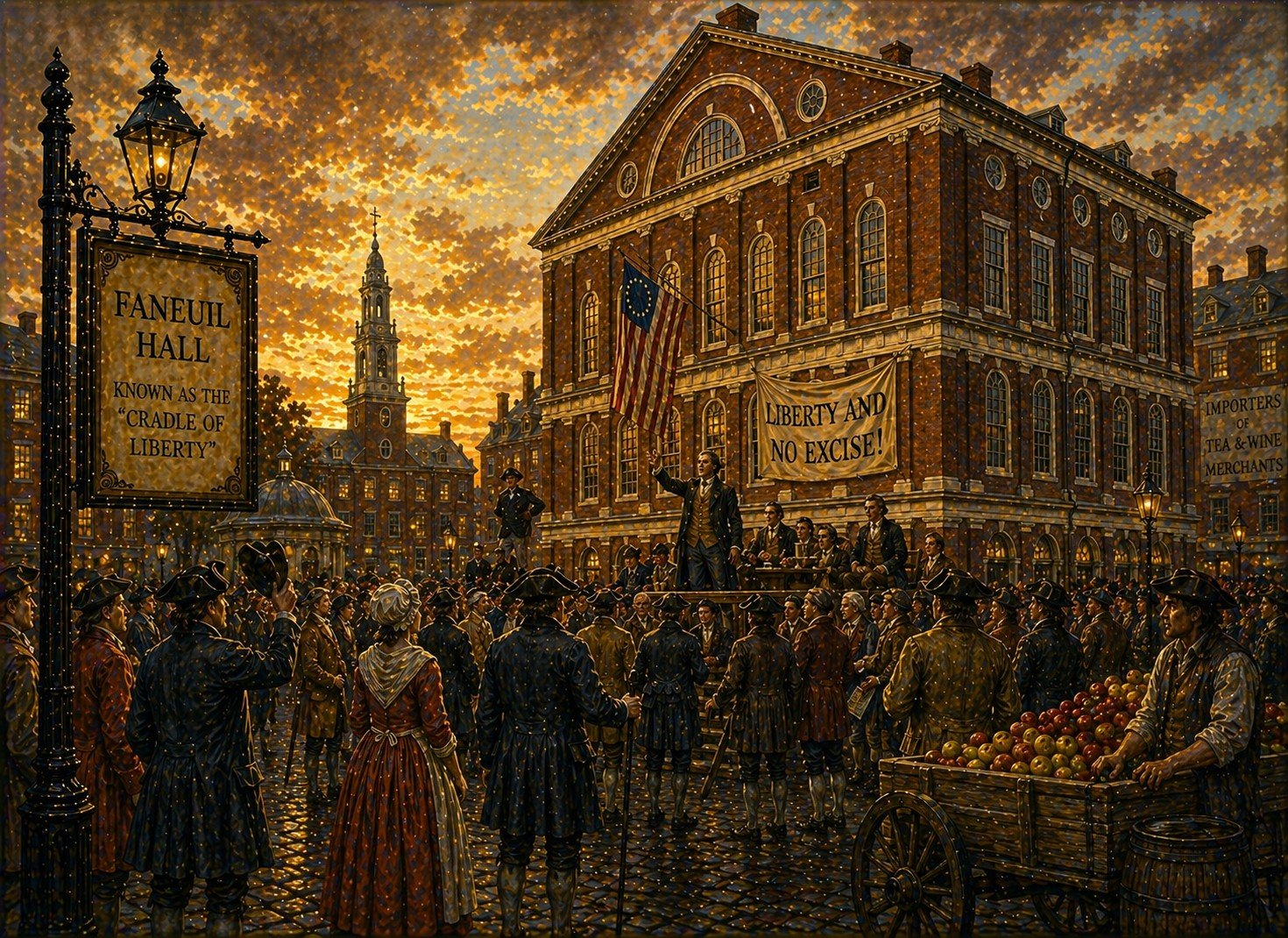
As part of the Freedom Trail, Paul Revere’s House represents a shift in focus from public spaces to private life. Earlier stops along the trail, such as Faneuil Hall and Old South Meeting House, emphasize collective action and public debate. In contrast, this site brings the story into a more intimate setting, showing how the revolution was also shaped by individuals working behind the scenes in their homes and workshops.
The location of the house in the North End adds another layer of historical context. This neighborhood, one of Boston’s oldest, retains much of its colonial street layout, with narrow lanes and closely spaced buildings. Walking through the area gives visitors a sense of the environment in which Revere lived and worked, enhancing the overall experience of the Freedom Trail.
The preservation of Paul Revere’s House is itself an important part of its story. By the early 20th century, the building had fallen into disrepair and was at risk of being lost. Efforts to restore and protect it reflected a growing recognition of the importance of preserving historical landmarks. Today, it stands as a museum, allowing visitors to engage directly with the past.
Educational programs and exhibits at the site provide additional context, exploring Revere’s life, his work as an artisan, and his role in the revolutionary movement. These resources help to deepen understanding, connecting the physical space of the house to the broader narrative of American independence.
Ultimately, Paul Revere’s House is a vital link in the chain of sites that make up the Freedom Trail. It connects the public events of the revolution to the private lives of those who participated in it, offering a more complete picture of the era. By stepping inside the home of one of the revolution’s key figures, visitors can gain a deeper appreciation for the human dimension of history.
As a preserved colonial residence, a site of political activity, and a symbol of individual contribution to a larger cause, Paul Revere’s House remains one of the most meaningful stops along the Freedom Trail. It reminds us that history is not only made in meeting halls and battlefields, but also in the everyday spaces where people live, work, and make decisions that shape the future.