The Bunker Hill Monument marks one of the most important sites along the Freedom Trail, commemorating the Battle of Bunker Hill, one of the earliest and most significant engagements of the American Revolution. Located in Charlestown, across the Charles River from downtown Boston, this final stop on the trail represents the transition from political resistance to full-scale armed conflict.
Despite its name, the battle was largely fought on nearby Breed’s Hill rather than Bunker Hill itself. In June 1775, colonial forces, aware of the strategic importance of the high ground overlooking Boston Harbor, moved to fortify the area. Under the cover of darkness, they constructed defensive positions on Breed’s Hill, preparing for an anticipated British assault. The British, who controlled Boston at the time, recognized the threat and responded with a direct attack.
On June 17th, 1775, British troops launched a series of frontal assaults against the colonial positions. The fighting was intense and costly, with colonial forces holding their ground through two major attacks. It was during this battle that the famous command, often paraphrased as “Don’t fire until you see the whites of their eyes”, was reportedly given, emphasizing the need to conserve ammunition and fire at close range for maximum effect. Although the colonial forces ultimately withdrew due to a lack of supplies, they inflicted heavy casualties on the British, demonstrating that they could stand up to one of the most powerful armies in the world.
The significance of the Battle of Bunker Hill lies not in its immediate outcome, but in its broader impact. For the British, the victory came at a high cost, raising doubts about their ability to quickly suppress the rebellion. For the colonists, the battle provided a crucial boost in confidence, proving that organized resistance was possible. This shift in perception helped to solidify support for the revolutionary cause and set the stage for the war that would follow.
The Bunker Hill Monument itself stands as a powerful symbol of this achievement. Construction of the monument began in 1825 and was completed in 1843. Designed as a granite obelisk, it rises 221 feet above the surrounding landscape, making it one of the most prominent landmarks in the area. Visitors can climb the 294 steps to the top, where they are rewarded with panoramic views of Boston and the surrounding region, offering a visual connection to the terrain that played such a crucial role in the battle.
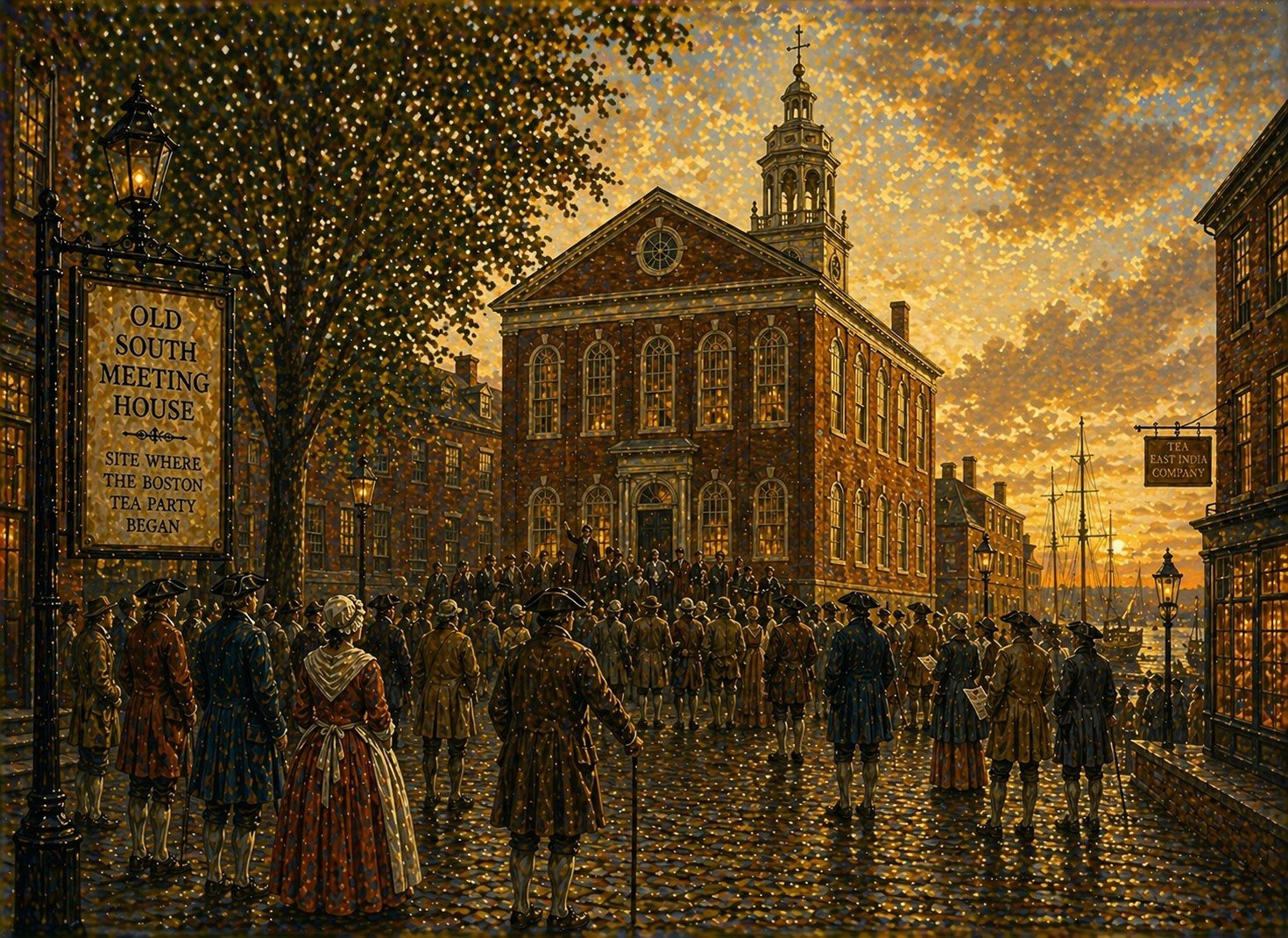
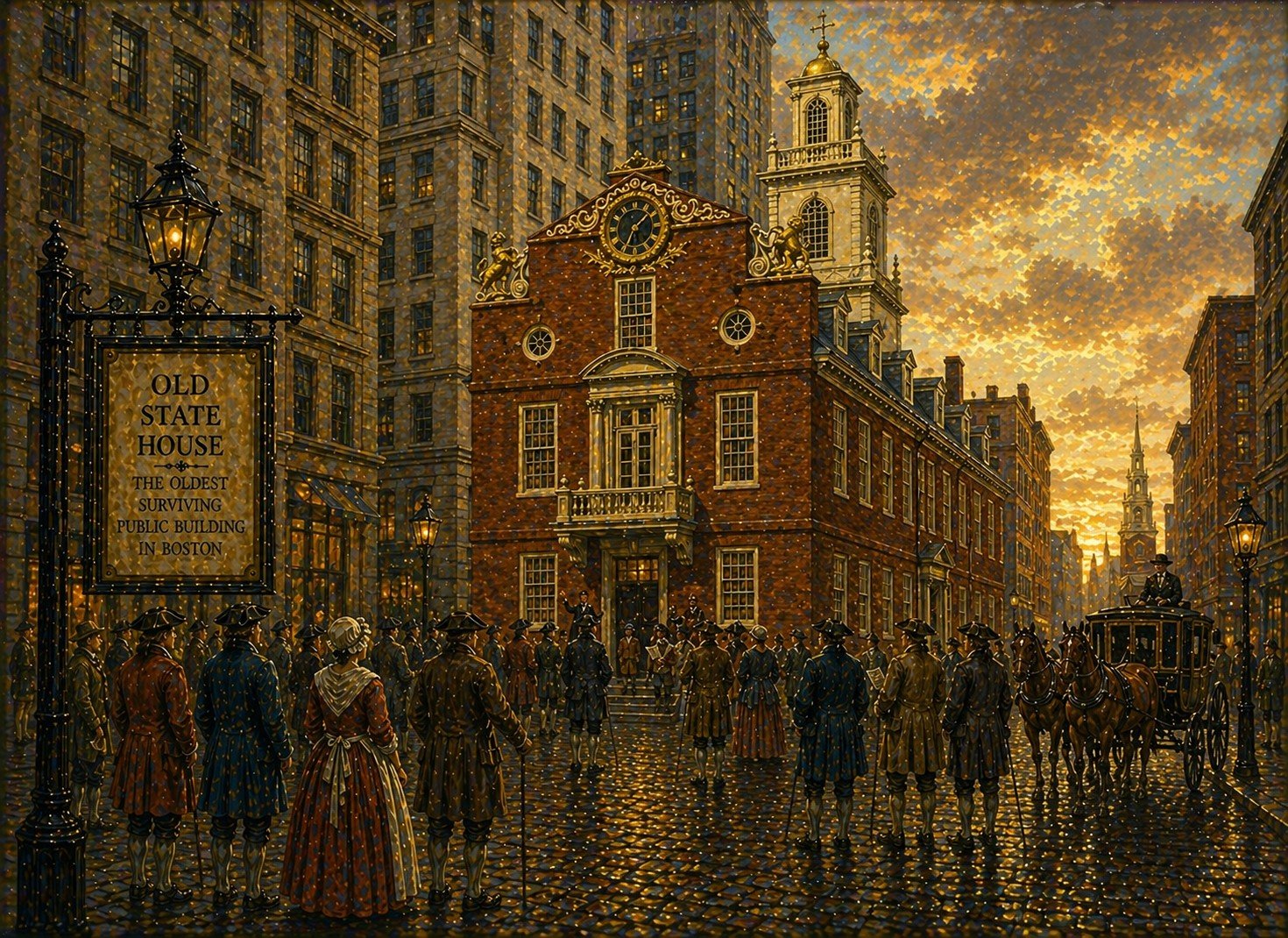
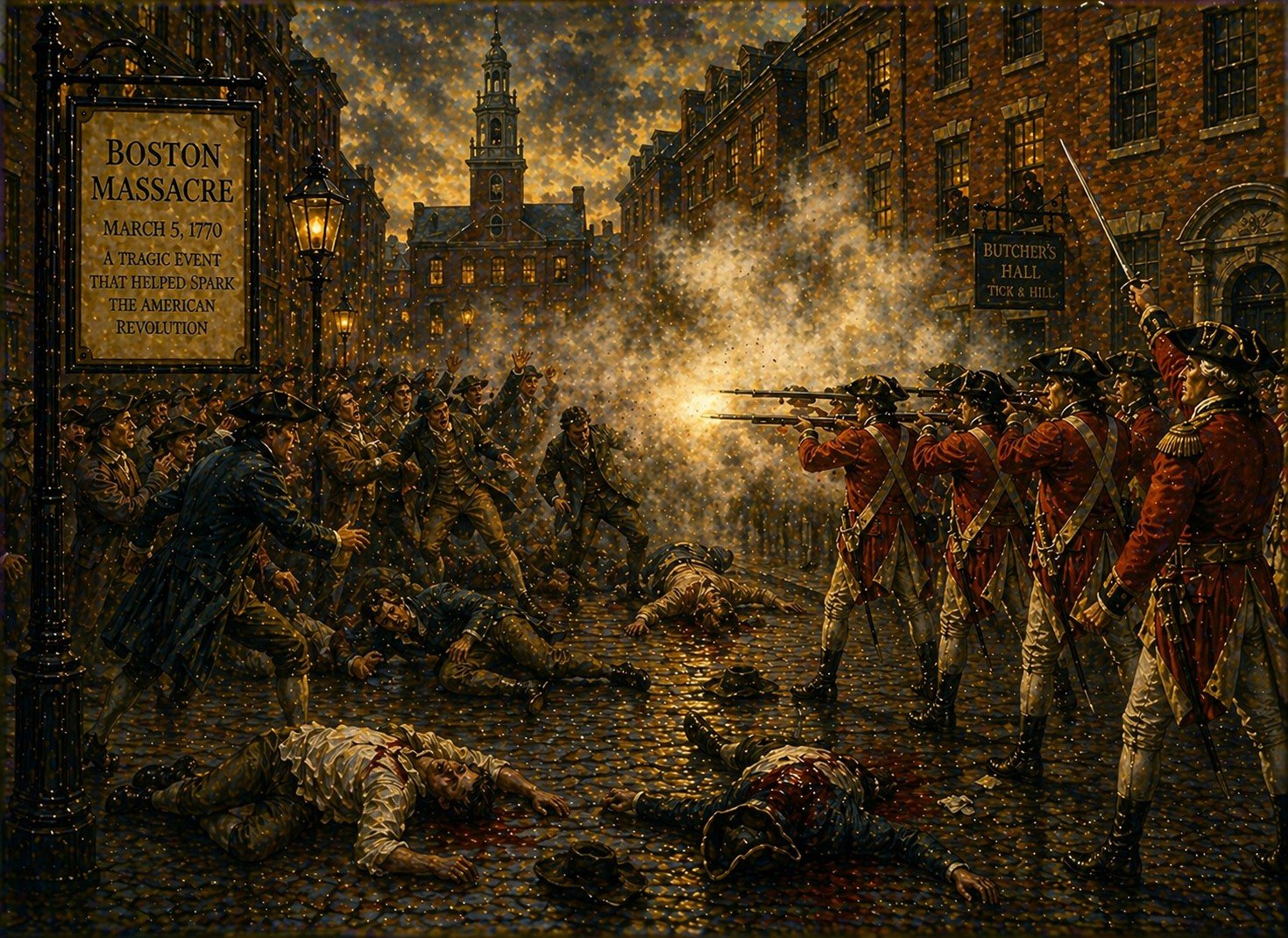
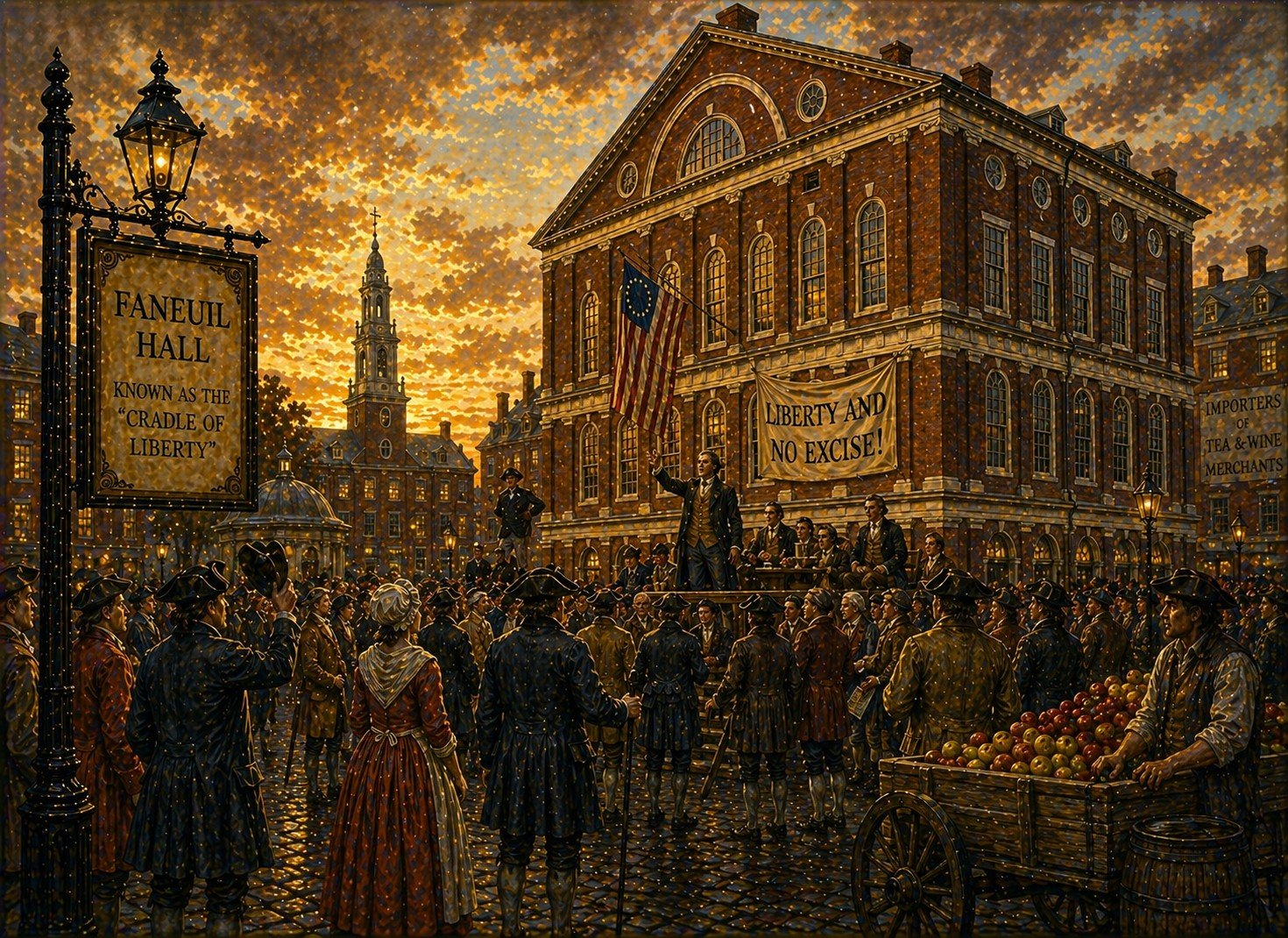
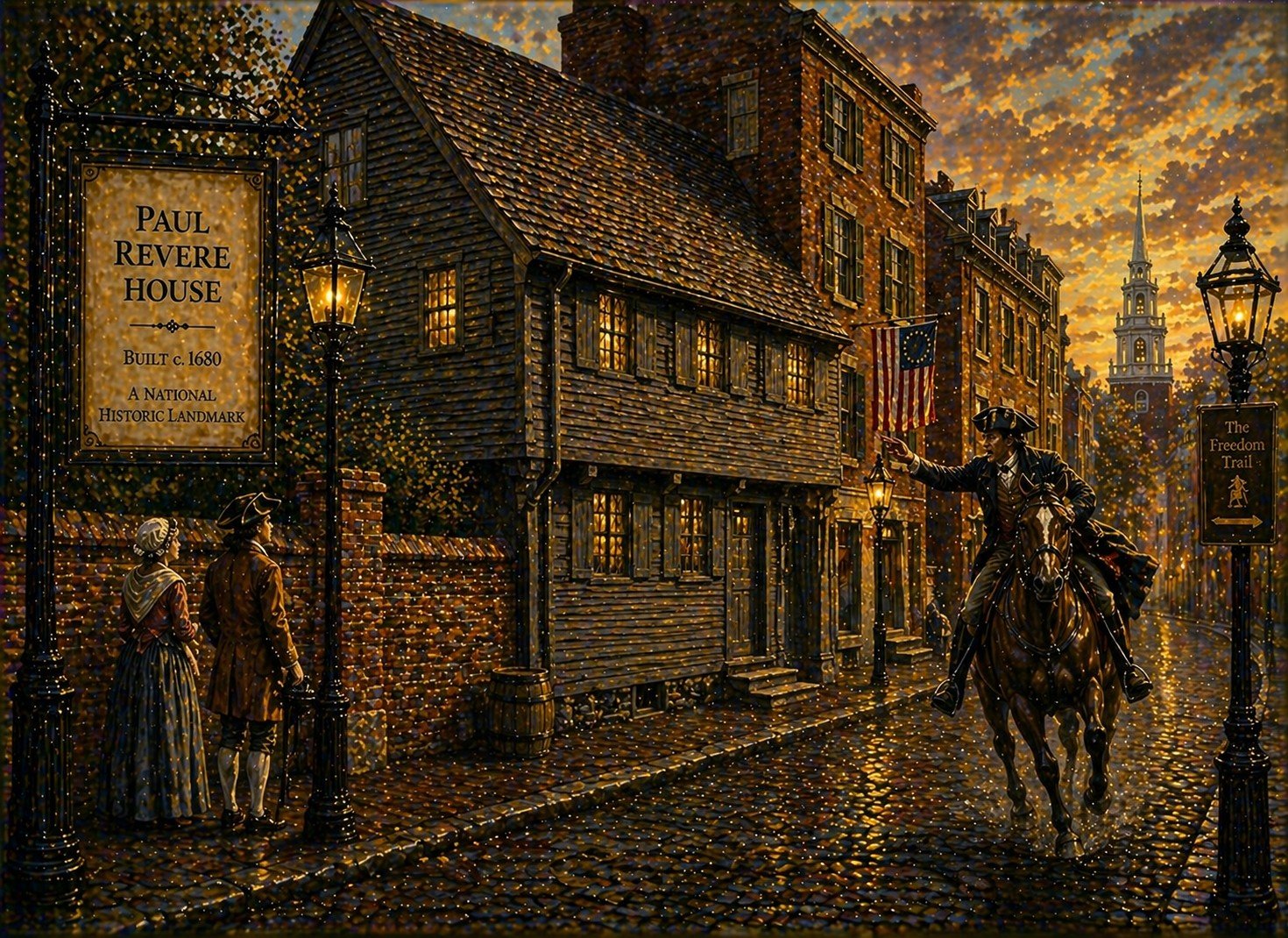
As part of the Freedom Trail, the Bunker Hill Monument represents the culmination of the story that begins in downtown Boston. Earlier stops along the trail focus on the buildup to the revolution, including protests, political debates, and key events such as the Boston Massacre and the Boston Tea Party. By the time visitors reach Charlestown, the narrative has shifted to open conflict, with the Battle of Bunker Hill serving as a defining moment in that transition.
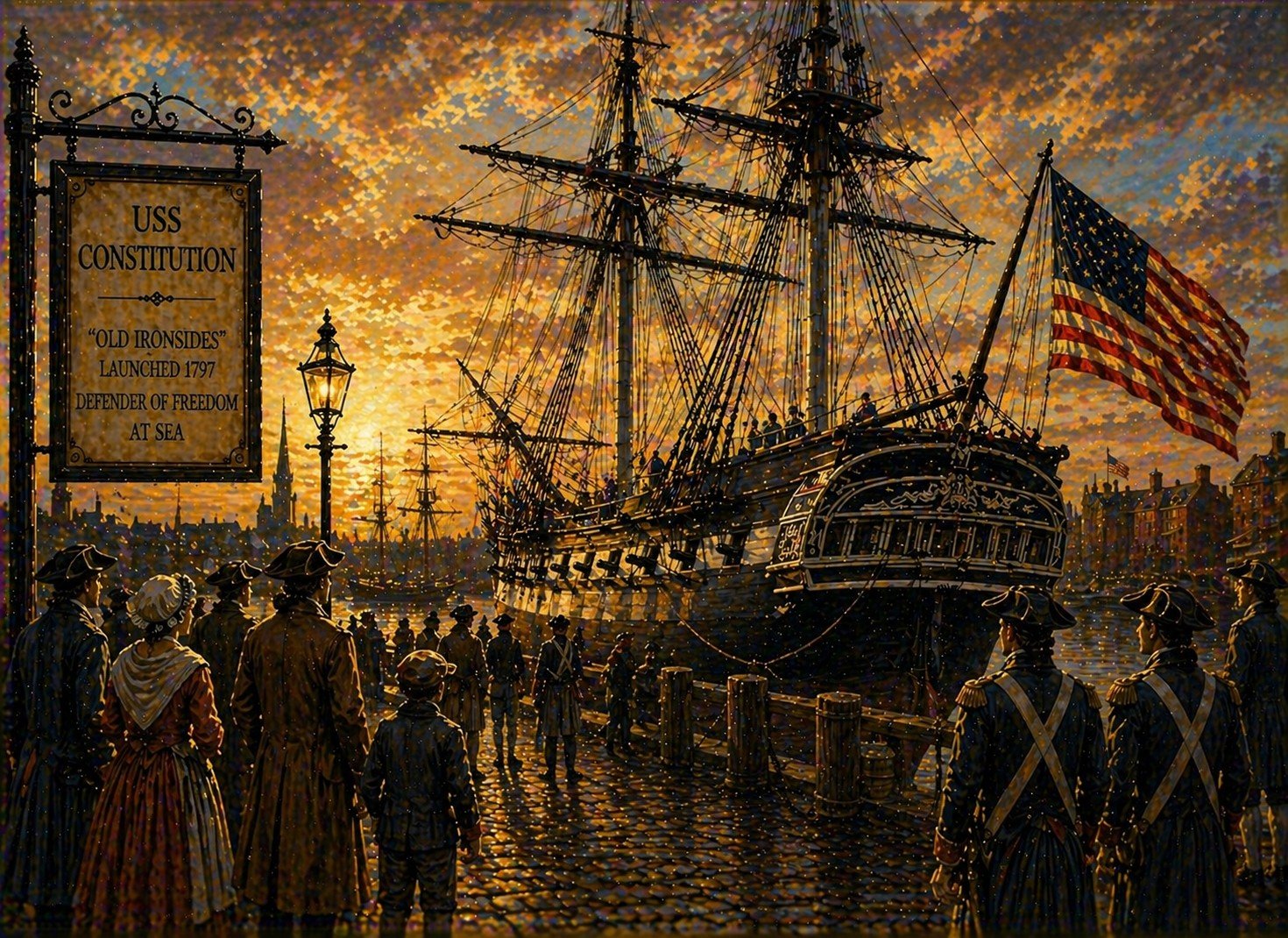
The monument is located within the Bunker Hill Monument Grounds, which also includes a museum that provides additional context about the battle and its participants. Exhibits explore the strategies, equipment, and experiences of both colonial and British forces, helping visitors to understand the complexity of the engagement. The nearby USS Constitution, another stop on the Freedom Trail, further reinforces the theme of military struggle and the defense of independence.
The surrounding Charlestown neighborhood adds depth to the experience, offering a sense of place that connects the past to the present. Walking through the area, visitors can imagine the landscape as it existed in 1775, with open fields and strategic elevations that shaped the course of the battle. The contrast between the historic site and the modern cityscape highlights the passage of time and the enduring importance of the events commemorated there.
The Bunker Hill Monument also serves as a site of remembrance and reflection. It honors not only the soldiers who fought in the battle but also the broader ideals of courage, sacrifice, and determination that defined the revolutionary movement. The monument’s imposing presence and simple design convey a sense of solemnity, encouraging visitors to consider the human cost of the struggle for independence.
The Battle of Bunker Hill and the Bunker Hill Monument represents a significant chapter in the story of the American Revolution. As part of the Freedom Trail, it provides a powerful conclusion to the journey through Boston’s revolutionary history, linking the ideas and concepts that began in meeting houses and public squares to the realities of war on the battlefield. The monument stands as a lasting reminder of the moment when resistance became revolution, and when the path toward independence was forged through courage and sacrifice.