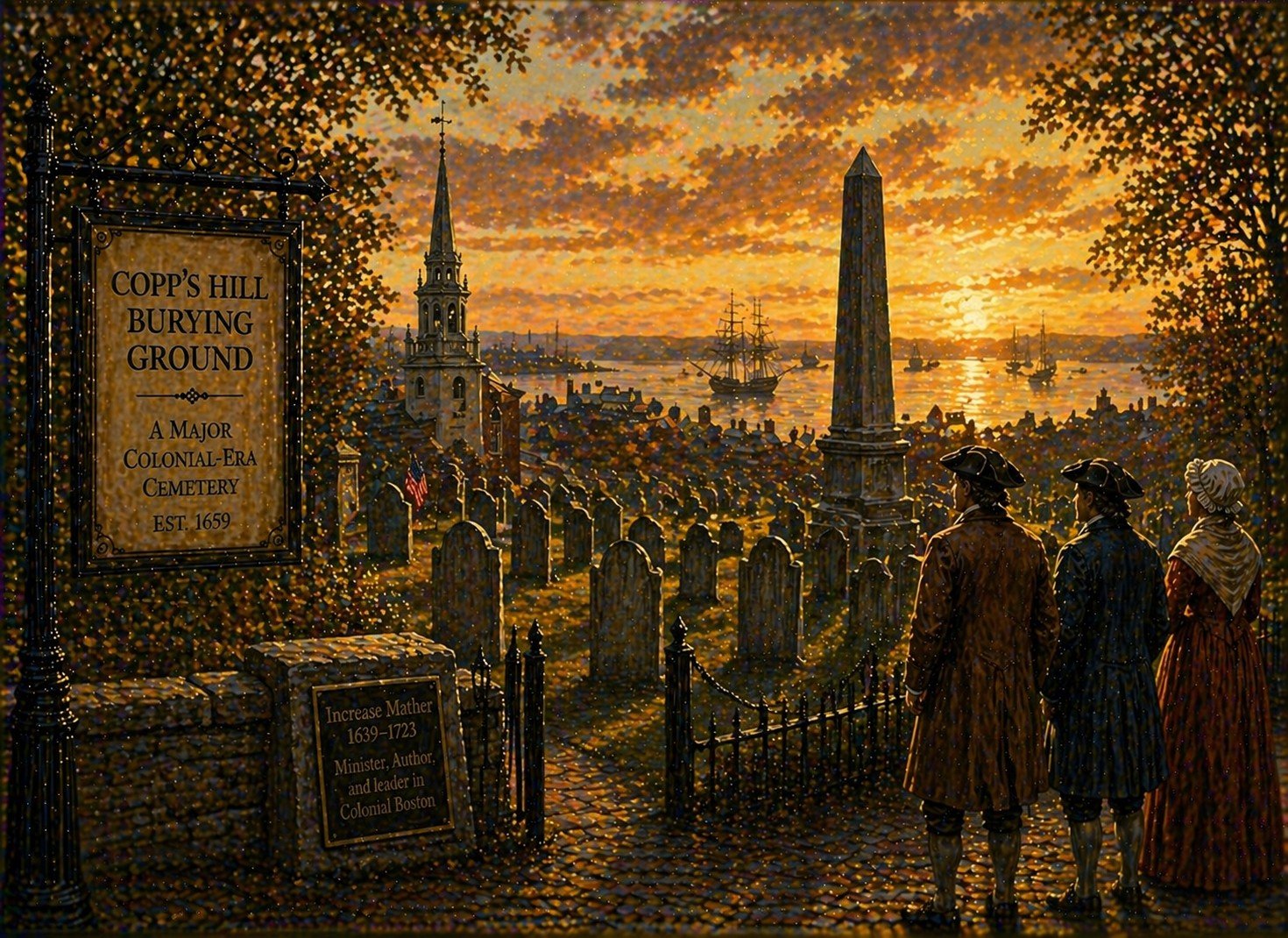
The Granary Burying Ground is one of the most historically significant stops along the Freedom Trail, offering a direct connection to many of the individuals who shaped the early history of the United States. Established in 1660, it is the third-oldest cemetery in Boston and serves as the final resting place for numerous prominent figures from the colonial and revolutionary periods.
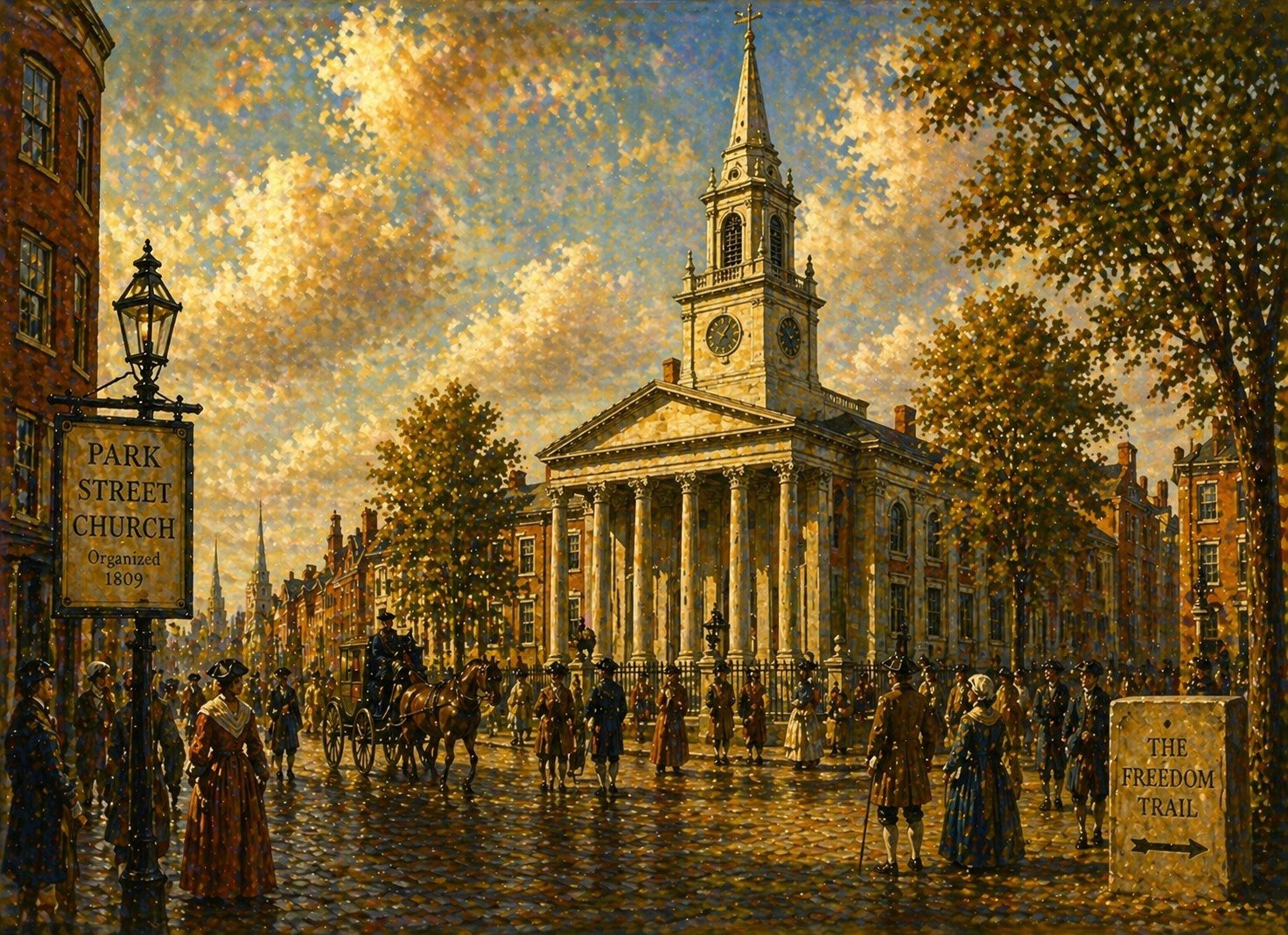
Located on Tremont Street, just a short walk from Park Street Church, the Granary Burying Ground sits within a dense urban environment. Surrounded by modern buildings and busy streets, it offers a striking contrast between past and present. Within its iron fence lies a quiet, uneven landscape filled with weathered headstones, many of which date back to the 17th and 18th centuries. These markers, carved with skulls, wings, and other symbolic imagery, reflect the beliefs and artistic styles of the time.
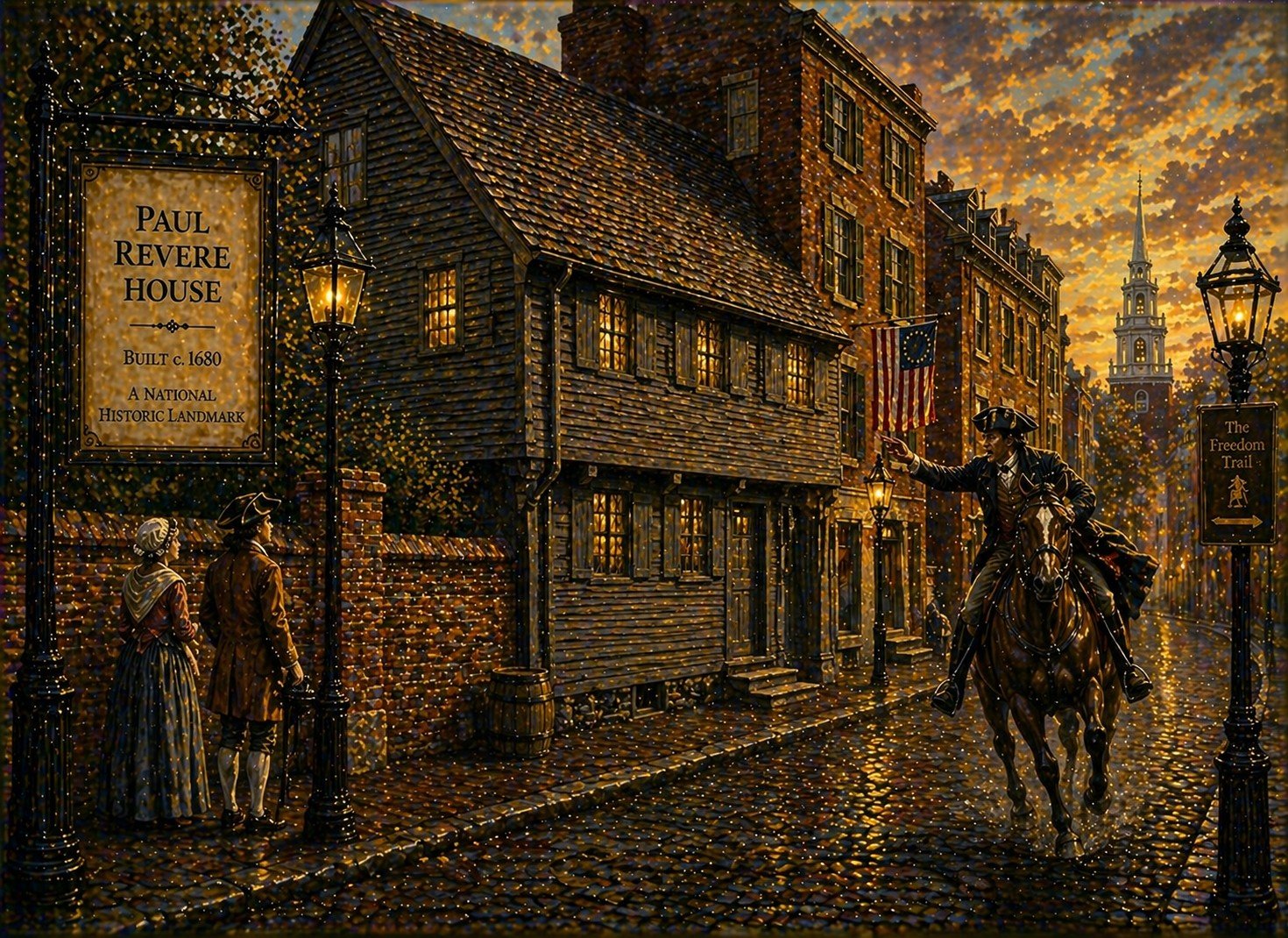
The burying ground is best known for the notable individuals interred there. Among them is Paul Revere, whose midnight ride became one of the defining stories of the American Revolution. Also buried here are three signers of the Declaration of Independence, John Hancock, Samuel Adams, and Robert Treat Paine, figures who played central roles in the movement for independence.
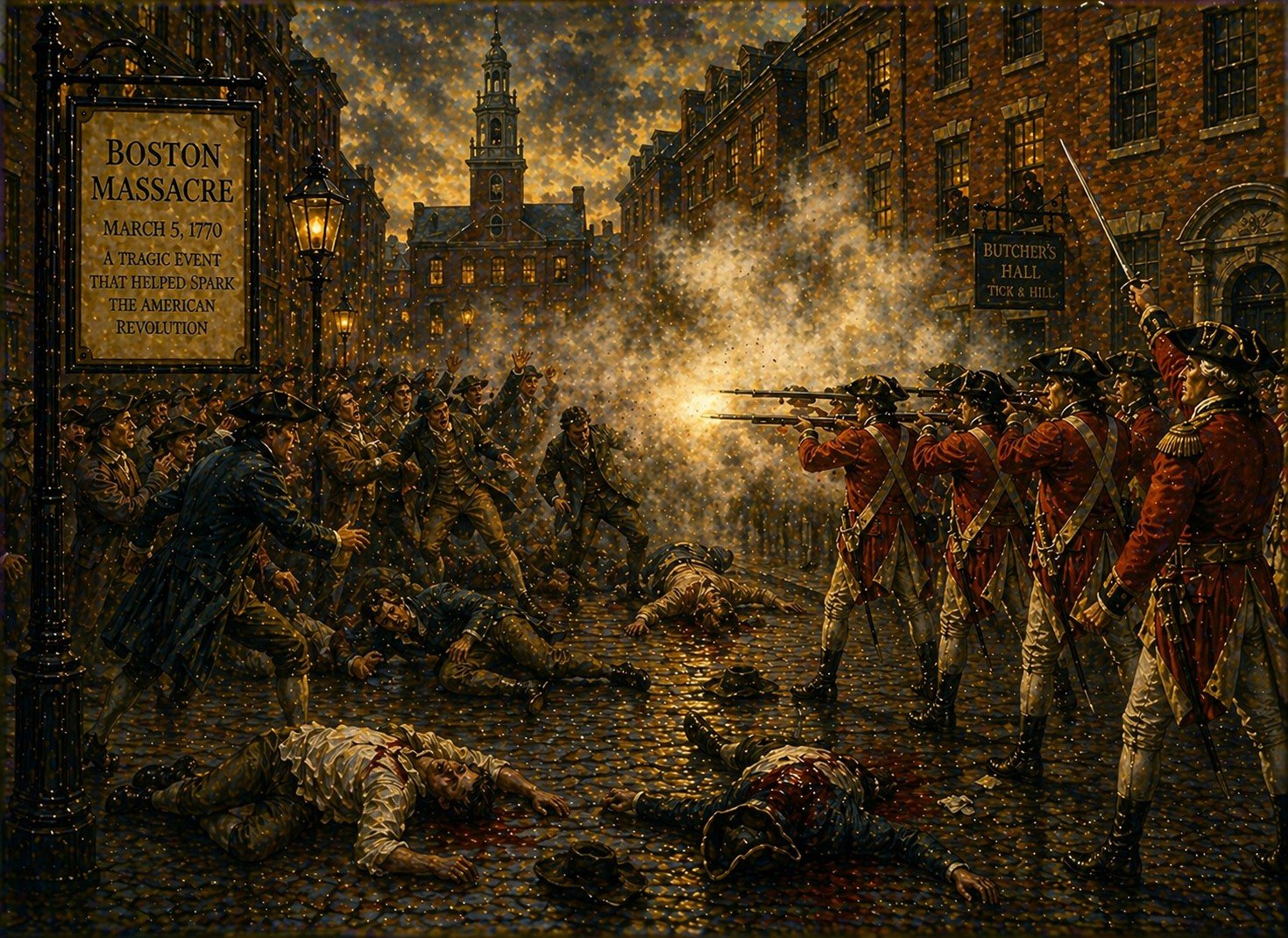
Another important site within the cemetery is the grave of James Otis Jr., an early advocate for colonial rights who famously argued against taxation without representation. His ideas helped lay the intellectual groundwork for the revolution, making his presence here especially significant. Nearby is the burial site of victims of the Boston Massacre, an incident that intensified anti-British sentiment and contributed to the outbreak of war.
As a stop on the Freedom Trail, the Granary Burying Ground serves as a place of reflection. Whilst many sites along the trail focus on events, buildings, and actions, this location emphasizes the people behind those actions. Walking among the graves provides a tangible connection to the individuals who debated, protested, and ultimately fought for independence. It transforms abstract historical concepts into personal stories, grounded in the lives of those who experienced them.
The layout of the cemetery itself tells a story. The irregular placement of graves and pathways reflects its gradual development over time, rather than a single, planned design. Early burials were often marked by simple stones, while later monuments became more elaborate, indicating changes in social status and commemorative practices. The artistry of the headstones, with their carved motifs and inscriptions, offers insight into colonial attitudes toward death, faith, and remembrance.
Despite its age, the Granary Burying Ground has been carefully preserved. Restoration efforts have aimed to stabilize headstones, repair damage, and maintain the site as both a historic landmark and a respectful memorial. These efforts ensure that visitors can continue to experience the cemetery while protecting its fragile features.
The contrast between the quiet of the burying ground and the activity of the surrounding city adds to its impact. Just beyond its gates, modern Boston moves at a rapid pace, yet inside, time seems to slow. This juxtaposition highlights the continuity of the city’s history, showing how the foundations laid by earlier generations continue to shape the present.
The Granary Burying Ground also plays an educational role. Visitors often stop here as part of guided tours, where historians and interpreters provide context about the individuals buried there and their contributions to American history. These narratives help bring the site to life, connecting names on headstones to the broader story of the nation’s founding. The Granary Burying Ground is more than just a cemetery. It is a place where history is preserved in its most personal form, through the memory of those who lived it. As part of the Freedom Trail, it offers a powerful reminder that the American Revolution was not only a series of events but also a struggle shaped by the actions, ideas, and sacrifices of individuals.