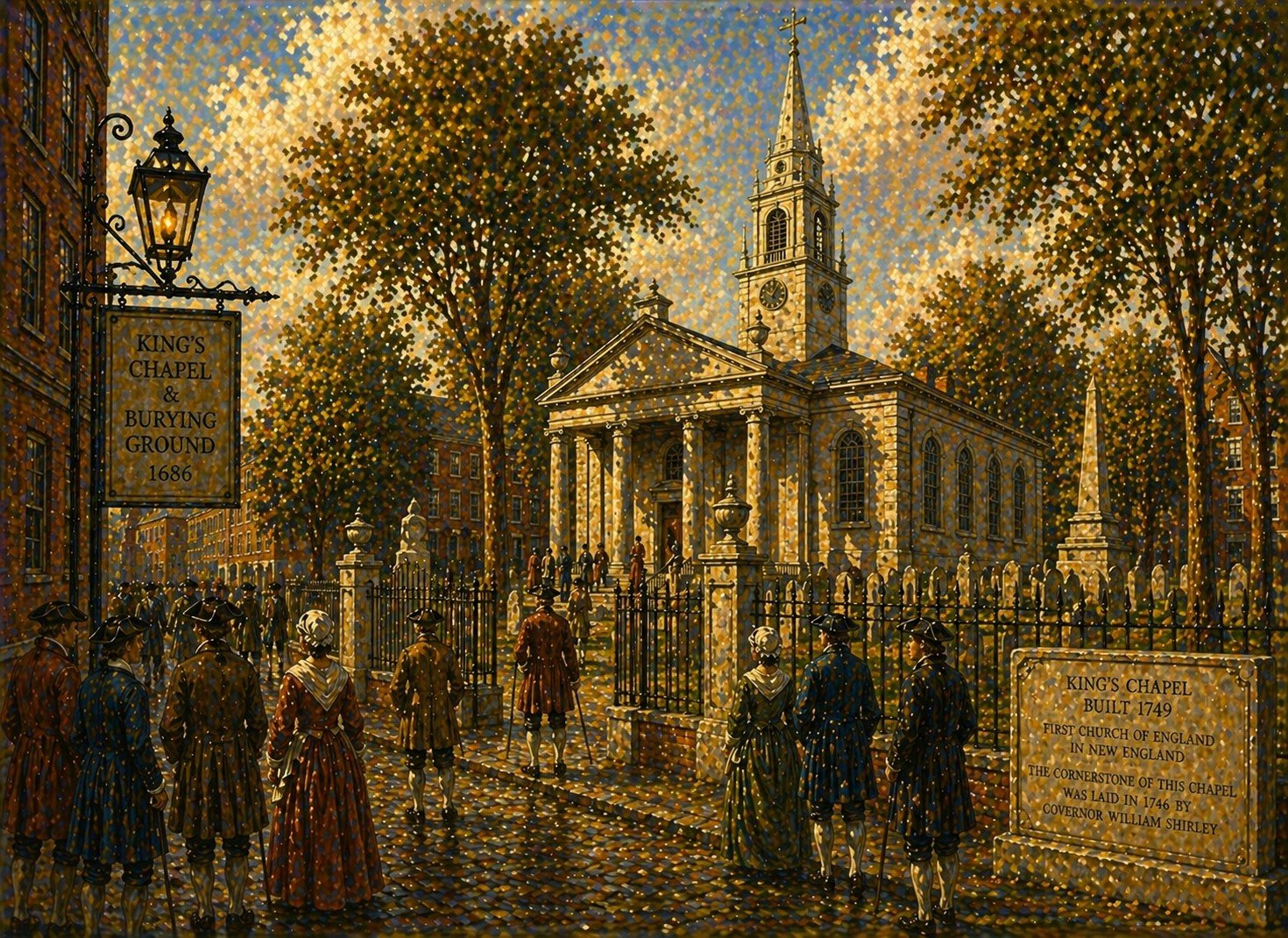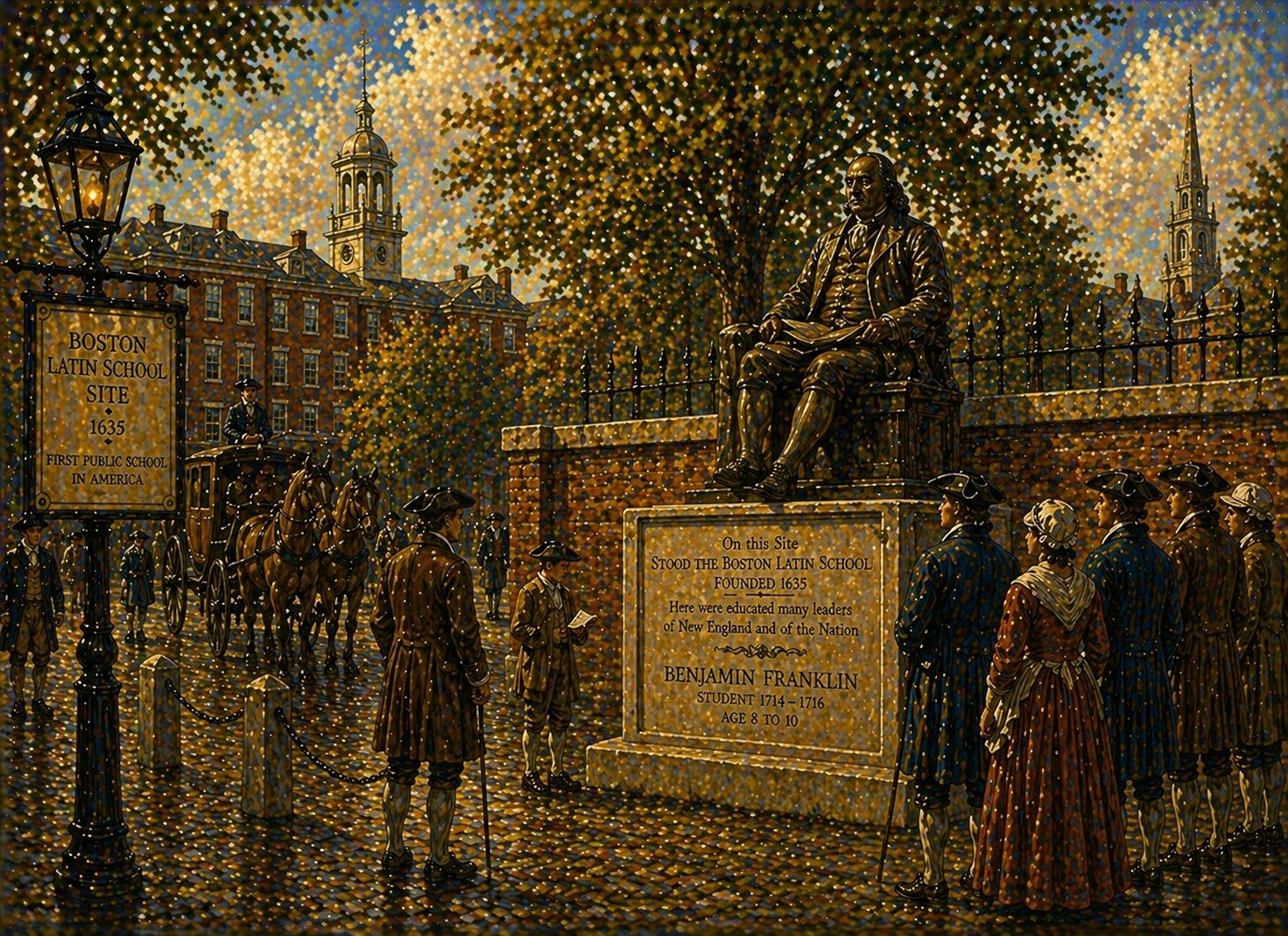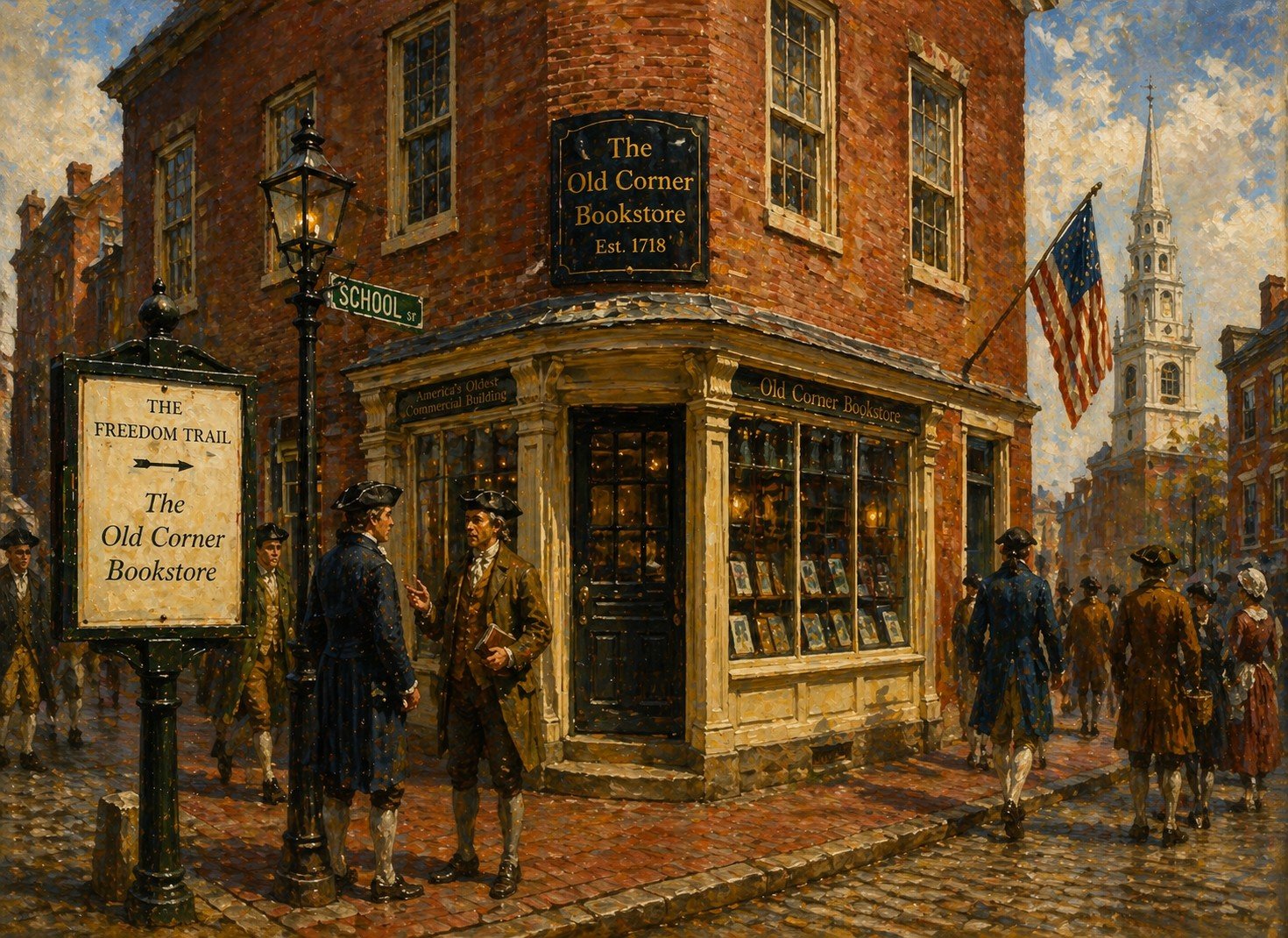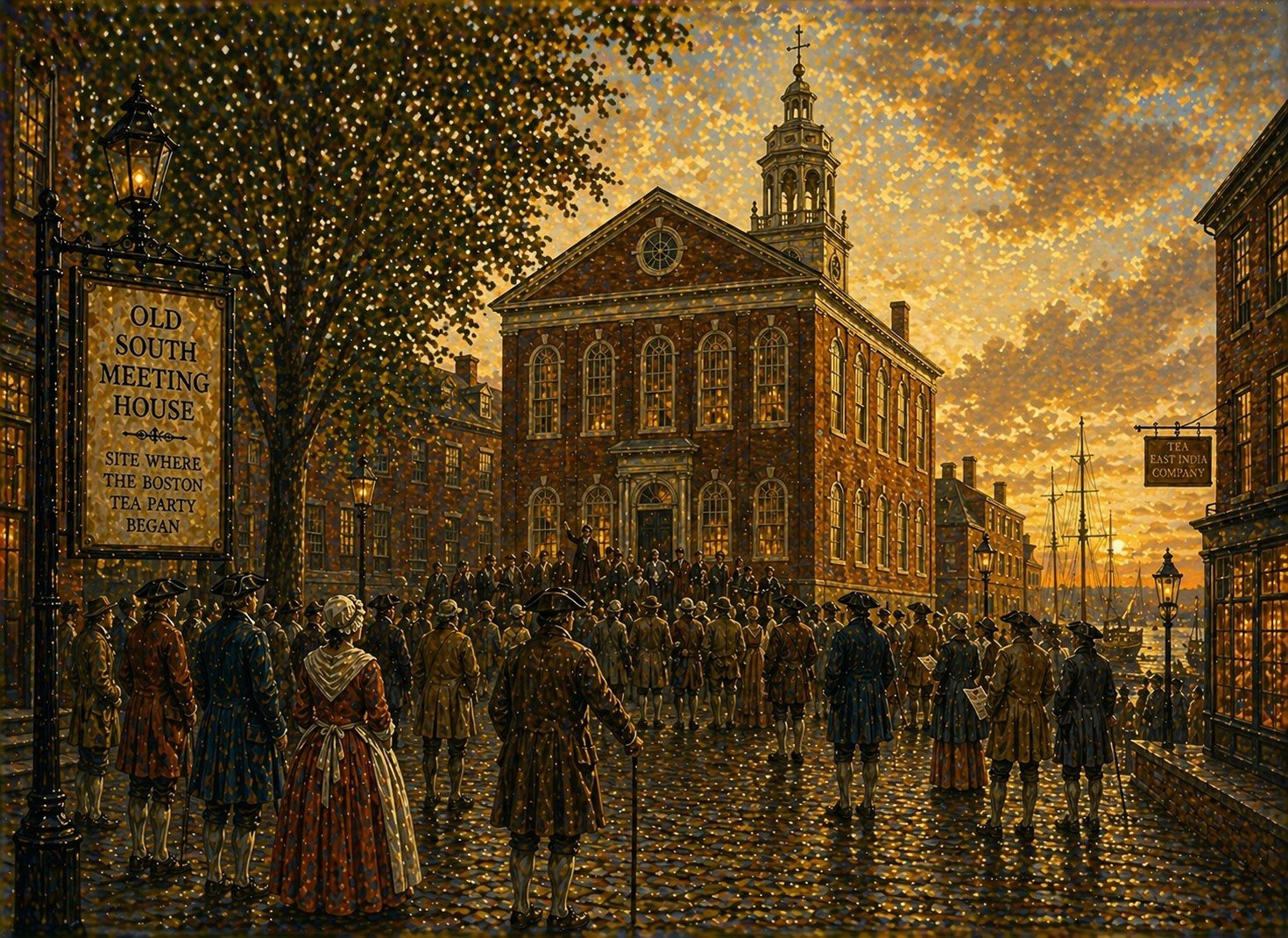
Planning a visit to the Freedom Trail is one of the most rewarding ways to experience the history of Boston, but going in with realistic expectations can make a big difference in how much you enjoy it. The trail is about 2.5 miles long, but the total time it takes varies widely depending on how deeply you engage with each stop.
At a basic level, if you were to simply walk the route without stopping, you could complete it in around an hour. However, that would defeat the purpose. Most visitors spend between three and five hours exploring the trail at a moderate pace, stopping to read markers, take photos, and briefly look inside a few sites. If you plan to visit multiple interiors, take guided tours, or explore museums in detail, it can easily become a full-day experience.
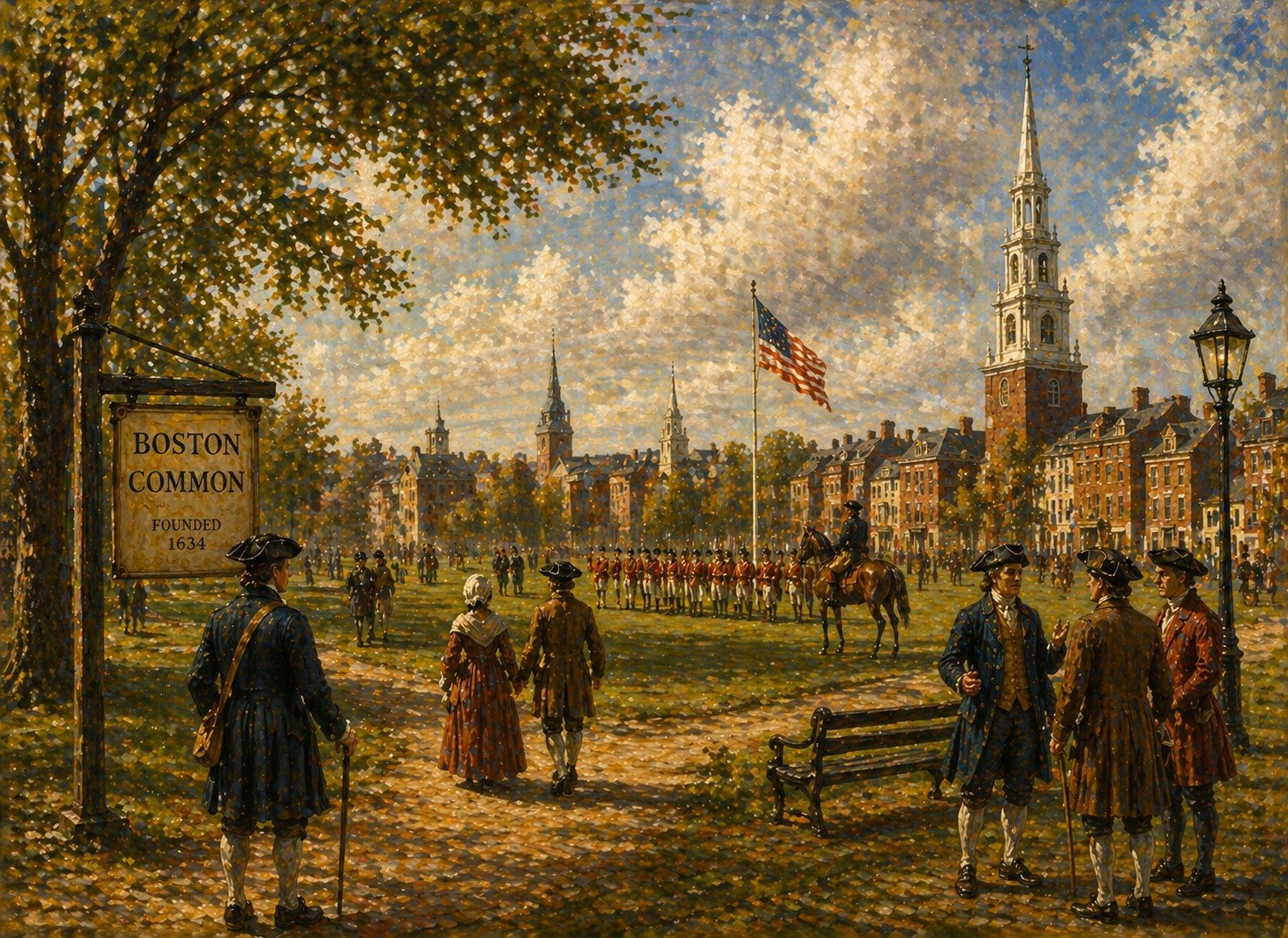
The trail traditionally begins at Boston Common, where you’ll find the first markers and plenty of signage. From there, the red brick line on the ground guides you through the city. One of the biggest advantages of the Freedom Trail is how easy it is to follow, you don’t need a map, although having one can help you prioritize stops.
From a practical standpoint, comfortable walking shoes are essential. While 2.5 miles doesn’t sound long, the route includes uneven sidewalks, cobblestones, and a lot of standing. Boston’s weather also plays a role. In summer, heat and humidity can slow you down, while in winter, cold winds, especially near the harbor, can make the walk more challenging. Spring and fall tend to offer the best balance.
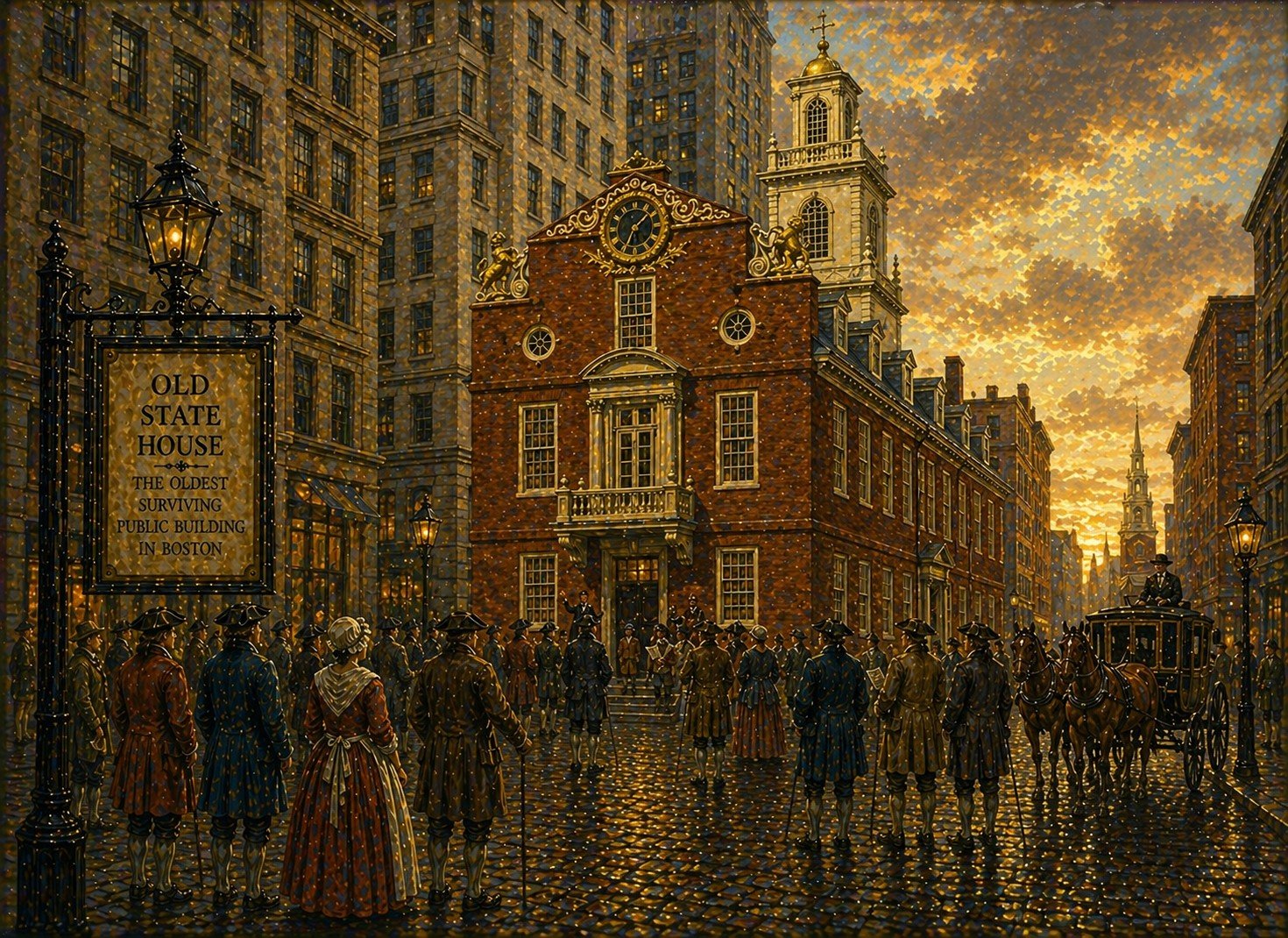
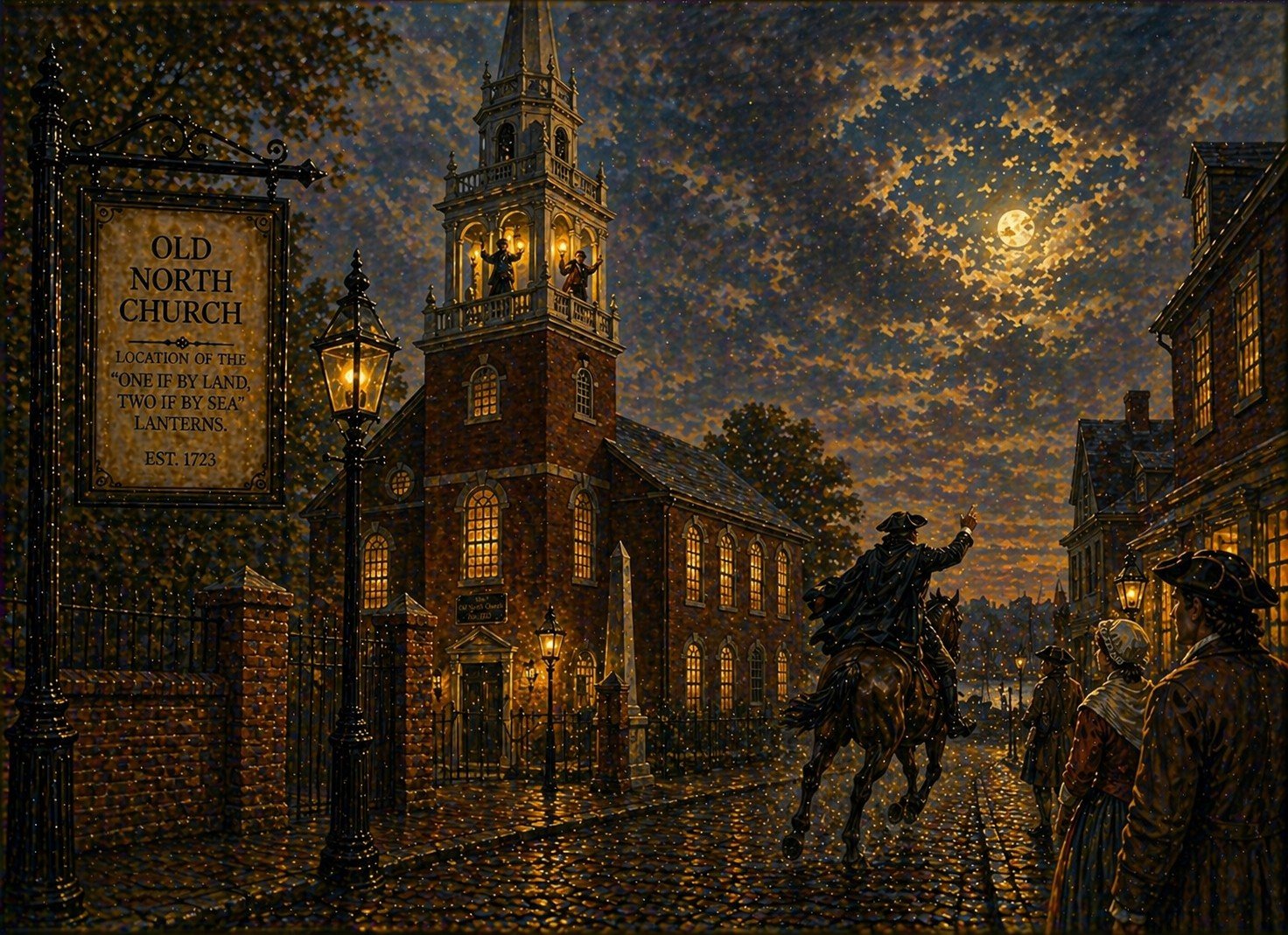
You should also think about how much structure you want. A self-guided tour gives you flexibility to move at your own pace, skip certain sites, or spend longer where you’re most interested. On the other hand, guided tours, often led by costumed interpreters, add context and storytelling that can make the experience much richer, especially at sites like the Old State House or Old North Church.
Another thing to plan for is crowd density. The Freedom Trail is one of Boston’s most popular attractions, so during peak tourist seasons (late spring through early fall), certain stops can get busy. Early mornings or late afternoons tend to be quieter if you prefer a more relaxed experience.
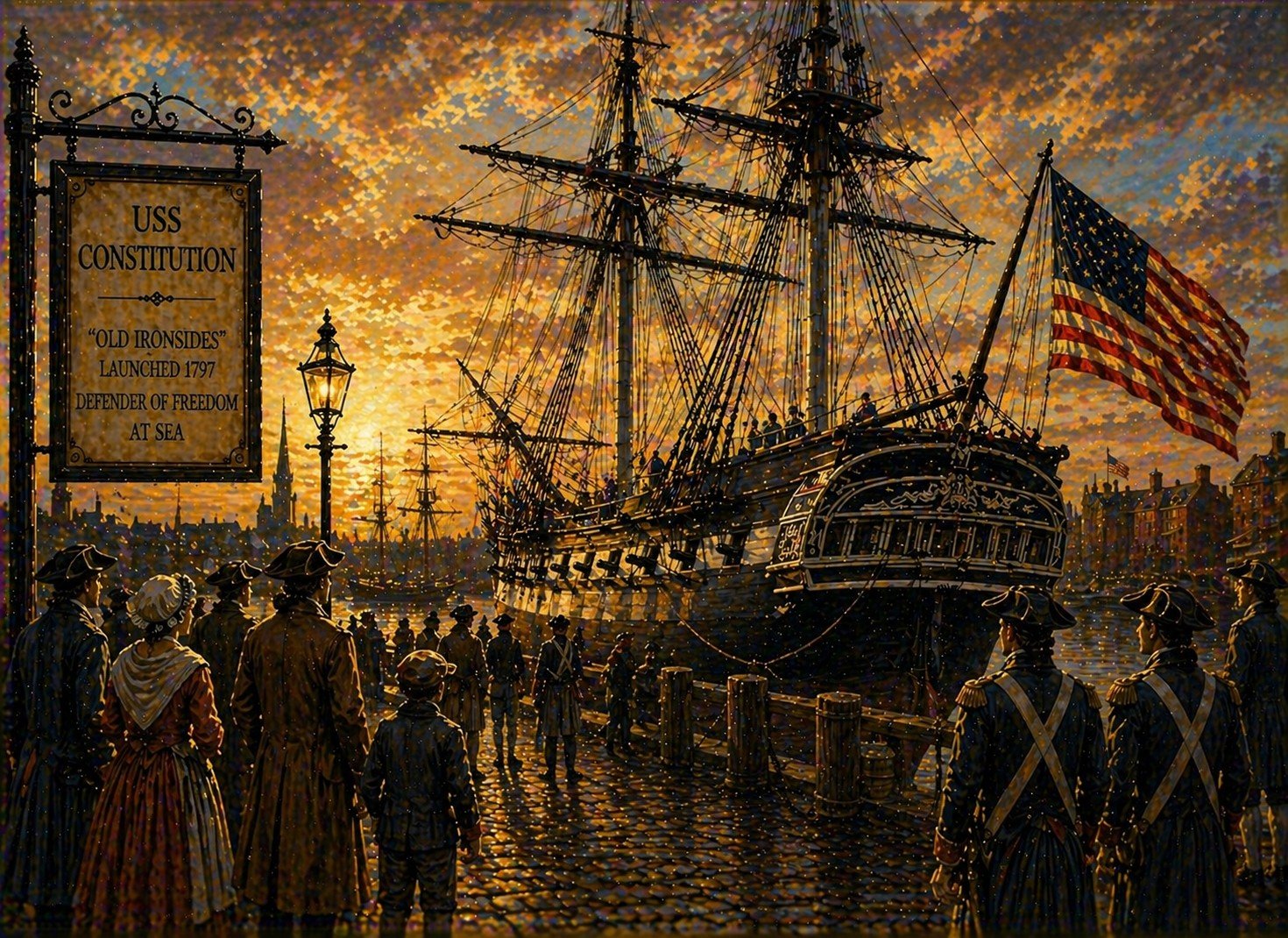
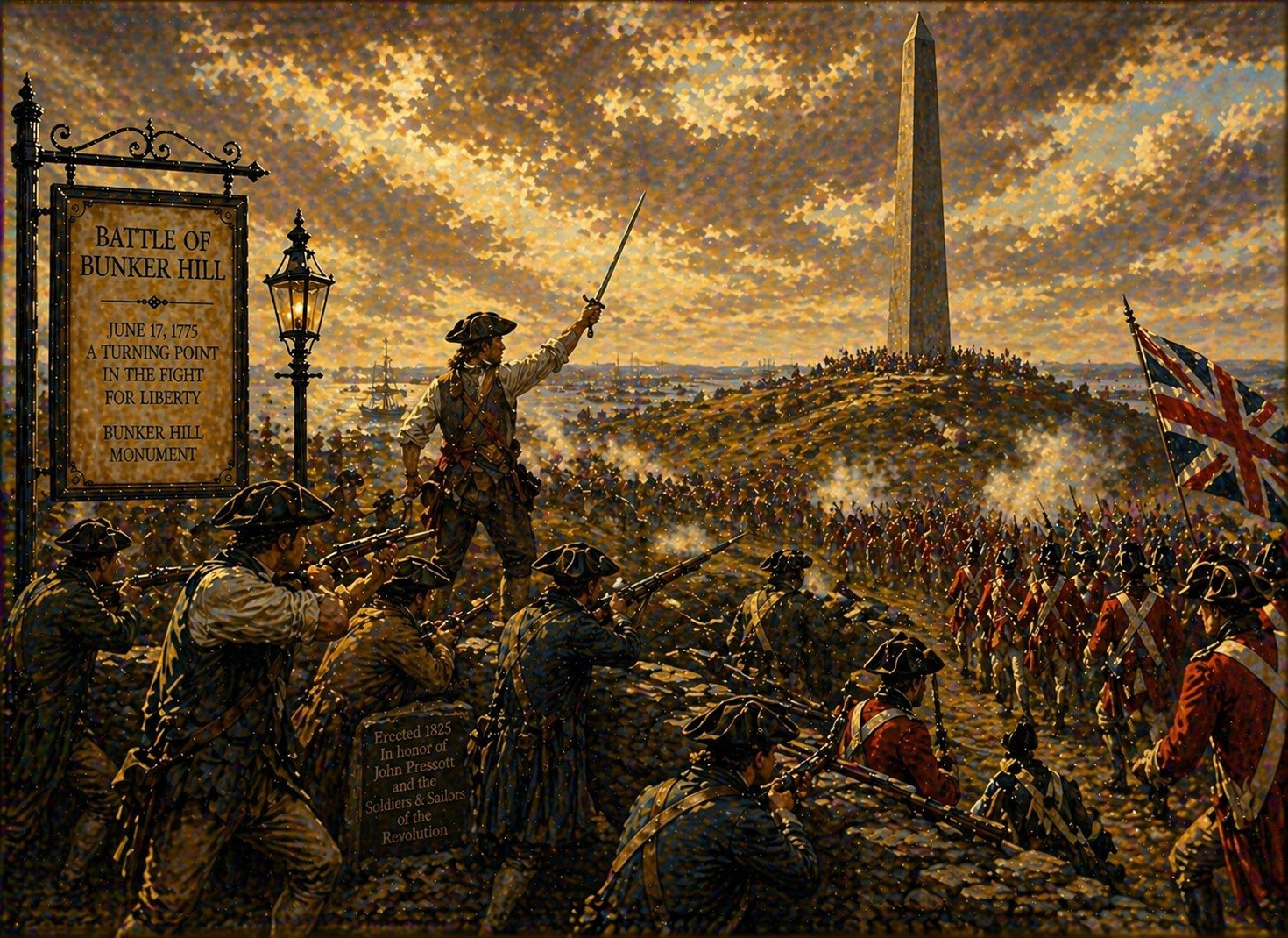
The trail ends in Charlestown, at the Bunker Hill Monument and USS Constitution. This final stretch involves crossing the Charles River, which can add time but also offers some of the best views of the city. Many visitors underestimate this last segment, so it’s worth budgeting extra time and energy for it.
Food and breaks are easy to incorporate along the way. The route passes through areas like Downtown Crossing and the North End, where you’ll find plenty of cafés, restaurants, and places to sit. Taking short breaks not only makes the walk more comfortable but also gives you time to absorb what you’re seeing.
Ultimately, the Freedom Trail is less about the distance and more about the pacing. If you treat it as a checklist, you can move through it quickly. But if you approach it as a narrative, following the buildup to the American Revolution step by step, you’ll likely want to slow down and take your time. Planning for at least half a day, and ideally a full day, allows you to experience it without feeling rushed.
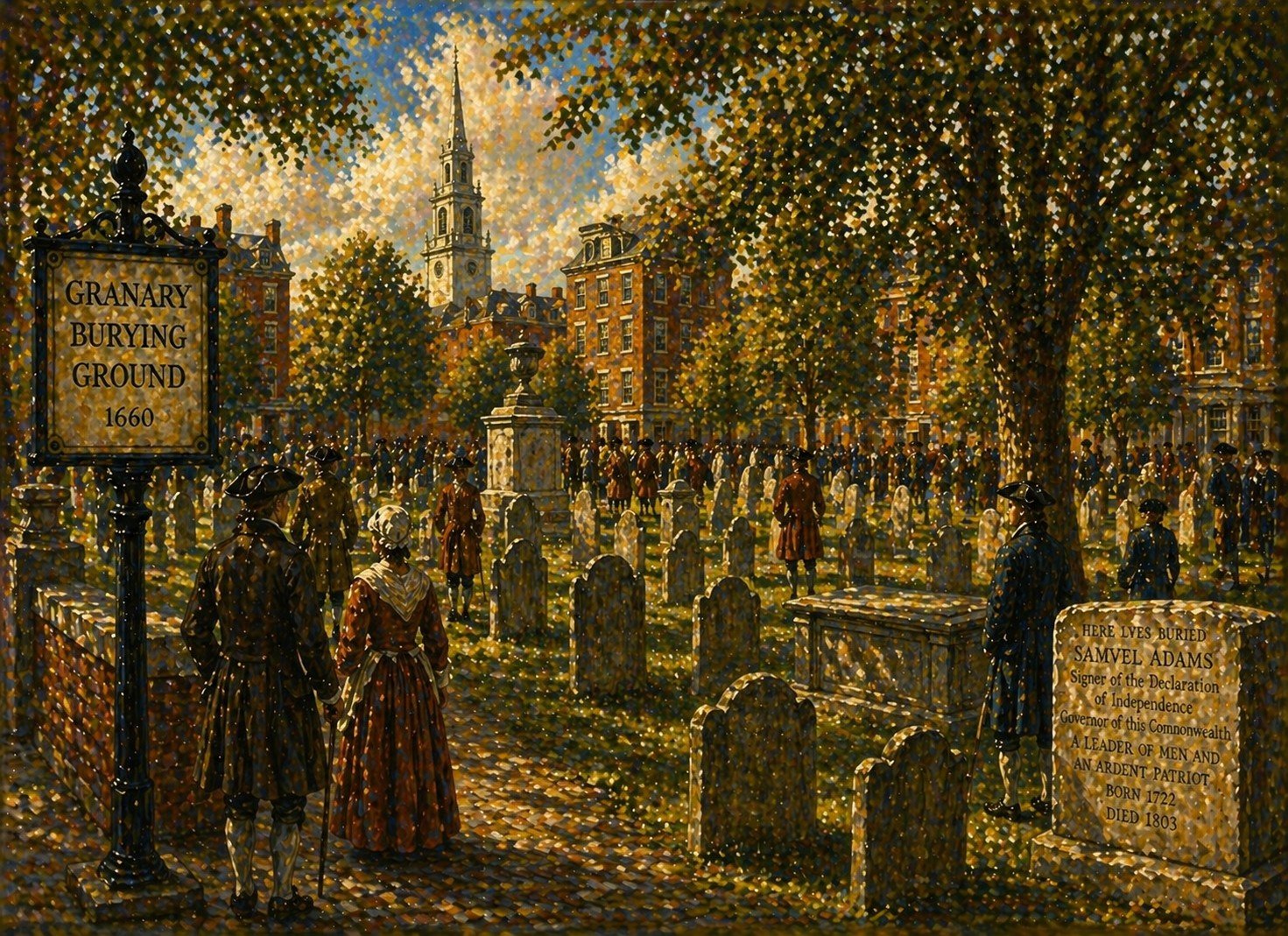
What you should expect most is a blend of history and modern city life. You’ll move from quiet historic spaces to busy streets, from reflective cemeteries to lively marketplaces. That contrast is part of what makes the Freedom Trail so engaging, it’s not a museum, but a living route through a city where history is still embedded in the landscape.